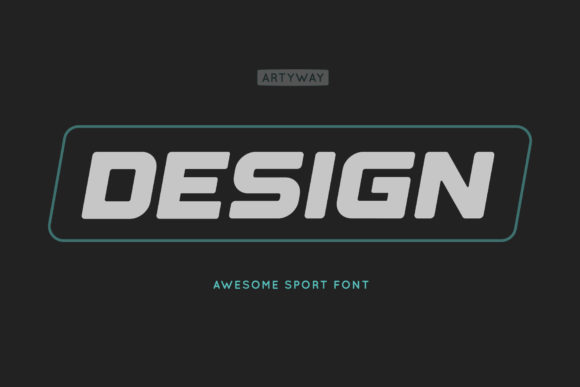
Design: The Bold Display Font for Creative Impact
There’s a certain energy that comes with finding a typeface that doesn’t just sit quietly on the page but demands to be seen. You know the feeling—you’re scrolling through a font library, and one design stops you mid-scroll. It has presence. It has personality. That’s exactly what you get with Design, a bold and dynamic display font crafted for projects that refuse to blend into the background. Whether you’re a designer piecing together a brand identity, a small business owner revamping your packaging, or a content creator looking to make social media graphics pop, this is the kind of typeface that turns ordinary layouts into memorable visual statements.
A Typeface Built for Statement-Making Projects
Design isn’t a font you reach for when you need body text to disappear into the background. It’s a display typeface, which means it’s engineered to work best at larger sizes—think headlines, logos, banners, and hero sections. The letterforms carry a confident, modern edge without feeling overly trendy or gimmicky. There’s a balance here between boldness and legibility that many display fonts struggle to achieve. The characters are well-proportioned, with enough visual weight to anchor a composition while still being easy to read at a glance. That combination makes it incredibly versatile across different media, from printed posters to digital screens.
What sets Design apart from other premium fonts in its category is the way it manages to feel both contemporary and timeless. It doesn’t lean so hard into a single aesthetic that it’ll feel dated in two years. Instead, it offers a clean, assertive look that works for brands positioning themselves as forward-thinking, creative, or premium. If you’ve been searching for a typeface that communicates confidence without shouting, this one hits that sweet spot.
Where This Font Truly Shines
The beauty of a strong display font like Design is that it opens up a world of creative possibilities. Here are some of the most effective ways to put it to work in real projects.
- Branding and Logo Design: A logo is often the first touchpoint between a brand and its audience. Using a distinctive typeface like Design ensures that first impression feels intentional and polished. It works particularly well for brands in creative industries, lifestyle spaces, and boutique markets where personality matters as much as professionalism.
- Packaging Design: On a shelf or in an online store, packaging has seconds to communicate what a product is and who it’s for. Bold typography helps cut through visual noise. Design can serve as the primary typeface for product names or taglines, giving packaging an elevated, curated feel.
- Social Media Graphics: Platforms like Instagram, Pinterest, and TikTok reward content that grabs attention quickly. A dynamic display font makes quotes, announcements, and promotional posts stand out in crowded feeds. Pair it with a simpler sans serif font for captions and body copy to maintain readability.
- Websites and Blogs: While Design isn’t meant for paragraphs of text, it’s an excellent choice for headers, section titles, and call-to-action buttons. Using it strategically on a website creates visual hierarchy and guides visitors’ eyes to the most important content.
- Print Materials and Posters: From event posters to business cards to letterheads, a bold typeface adds gravitas to printed collateral. Design’s clean geometry translates beautifully to print, maintaining its sharpness and presence even at varying sizes.
- Invitations and Stationery: If you’re designing wedding invitations, event programs, or branded stationery, this font brings a refined yet creative energy. It’s bold enough to feel special without crossing into overly ornate territory.
- Merchandise and Digital Products: T-shirts, mugs, tote bags, digital planners, and e-book covers all benefit from typography that carries weight. Design gives these products a professional, cohesive look that customers associate with quality.
- Editorial Layouts and Marketing Assets: Magazine covers, newsletter headers, ad creatives, and pitch decks all need typography that communicates authority. A well-chosen display font like this one helps unify disparate design elements into a cohesive visual story.
Making Typography Work for Your Brand
Choosing the right font isn’t just about aesthetics—it’s a strategic decision that affects how people perceive your brand. Typography communicates tone, values, and positioning before anyone reads a single word. A playful handwritten font says something very different from a structured serif or a sleek sans serif. Design sits in a space that feels modern, creative, and self-assured, making it a strong fit for brands that want to project those qualities.
One of the most practical things you can do when working with any new typeface is to test it in context. Don’t just look at it in a font preview tool—drop it into an actual project mockup. See how it interacts with your color palette, your imagery, and your other fonts. Font pairing is where the real magic happens. A bold display font like Design benefits from being paired with something more understated for body text. A clean sans serif or a classic serif font can provide the contrast needed to keep layouts balanced and readable.
Readability should always be a priority, even with display fonts. While Design is crafted for impact, it remains legible at the sizes it’s intended for. That said, avoid using it for long-form text or small print sizes where its boldness could become a hindrance rather than a help. Think of it as the star of the show, not the supporting cast.
Visual Consistency and Professional Presentation
One of the biggest challenges in design—whether you’re building a brand from scratch or maintaining one—is visual consistency. Using the same typeface across different touchpoints creates a cohesive identity that audiences learn to recognize over time. When someone sees your Instagram post, then visits your website, then picks up your business card, consistent typography ties those experiences together. It builds familiarity, and familiarity builds trust.
Design makes this easier because it’s versatile enough to work across multiple formats without losing its character. It looks just as strong on a digital screen as it does on a printed flyer. That adaptability means you’re not constantly searching for new fonts to fit different mediums—you can rely on one core typeface to anchor your visual identity and supplement it with complementary fonts as needed.
Professional presentation also comes down to the details. The spacing, the weight, the overall polish of a typeface all contribute to how credible a brand appears. A poorly chosen or low-quality font can undermine even the best design work. Investing in a well-crafted commercial font like Design signals that you care about quality, and that perception extends to your brand as a whole.
Practical Tips for Getting the Most Out of Your Font
Before committing to any font for a project, take some time to explore what’s included in the font family. Many premium fonts come with multiple weights, styles, or alternate characters that give you more flexibility. Understanding what’s available helps you make smarter design decisions and avoid the frustration of discovering a useful feature mid-project.
Licensing is another important consideration, especially for commercial use. If you’re using a font for client work, merchandise, or products you plan to sell, make sure the license covers those applications. Most reputable font foundries and marketplaces are transparent about licensing terms, so take a moment to review them before purchasing. It’s a small step that protects you legally and ensures you’re supporting the designers who create these tools.
Finally, don’t be afraid to experiment. Try Design in unexpected pairings. Test it at different sizes. Use it in a project you wouldn’t normally associate with bold typography. Sometimes the most compelling design choices come from breaking your own rules and discovering what works in practice, not just in theory.
Bringing It All Together
Finding the right typeface is one of those design decisions that feels small but carries enormous weight. It shapes how your audience experiences your brand, how your message lands, and how professional your work appears. Design offers a compelling combination of boldness, versatility, and modern appeal that makes it a valuable addition to any designer’s toolkit. Whether you’re crafting a brand identity, designing marketing materials, or creating content that needs to stand out in a crowded digital landscape, this font gives you the visual authority to do it with confidence. The best typography doesn’t just look good—it works hard, communicates clearly, and leaves a lasting impression. That’s exactly what a typeface like this is built to do.