Simple Stylist: A Display Font for Bold, Adaptable Design
Finding a font that feels both distinctive and versatile can feel like searching for a unicorn. You want character, but not so much that it overwhelms. You need adaptability, but not at the cost of personality. Simple Stylist enters the conversation as a display font that aims to solve this exact dilemma. It’s designed to be a workhorse with flair, a typeface that doesn’t just sit on the page but actively contributes to the story you’re trying to tell. Whether you’re building a brand from scratch or refreshing an existing one, this font offers a toolkit for visual communication that’s worth a closer look.
Understanding the Font's Visual Character
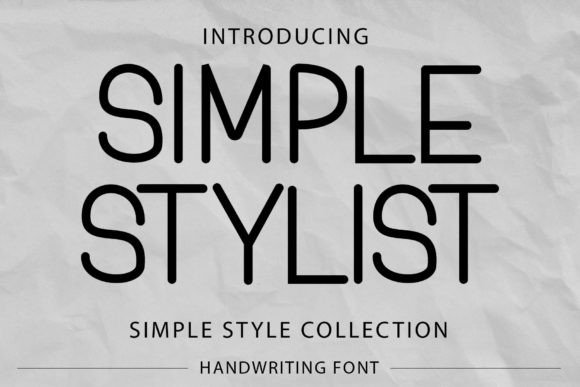
At its core, Simple Stylist is a display font, meaning it’s crafted for impact at larger sizes. Think headlines, logos, and hero sections rather than dense body paragraphs. Its visual appeal lies in a balanced blend of modern typography principles with a touch of playful energy. The letterforms are clean and legible, avoiding overly complex scripts or handwritten flourishes that can sometimes sacrifice readability for style. This makes it a surprisingly adaptable choice. It can feel cool and contemporary for a tech startup’s branding, yet approachable and fun for a children’s product line or a wedding invitation suite. The key is in its confident strokes and thoughtful spacing, which allow it to command attention without shouting.
What sets it apart from a generic serif font or a standard sans serif font is its distinct personality. It carries a subtle creative energy that can elevate a design from merely informative to genuinely engaging. This doesn’t mean it’s only for artistic projects. A well-chosen display typeface like this can be the secret weapon in your design assets library, providing that spark of visual interest needed to make a social media graphic stop the scroll or a product package stand out on a crowded shelf.
Practical Applications Across Creative Projects
The true test of any creative font is how it performs in the real world. Simple Stylist’s adaptability shines when you consider the sheer range of projects it can enhance. For logo design, it offers a strong foundation. A logo set in this typeface can be memorable and scalable, working just as well on a tiny favicon as it does on a large storefront sign. Its clarity ensures the brand name remains recognizable, a critical component of building brand recognition.
For entrepreneurs and small business owners, this font can become a cornerstone of your brand identity. Use it consistently across your website headers, business cards, and email newsletters to create visual consistency. This repetition builds familiarity and trust with your audience. Imagine a bakery using it for its menu headings, or a freelance photographer using it in their portfolio watermarks—the font becomes part of their visual signature.
- Packaging Design: Create shelf appeal with bold product names or flavor labels.
- Social Media Graphics: Design eye-catching quotes, announcements, and story templates that align with your brand’s voice.
- Print Materials: From posters and flyers to invitations and thank-you cards, it adds a professional and polished touch.
- Digital Products: Enhance the cover of an eBook, the title slide of a presentation, or the header of a worksheet.
- Merchandise: Apply it to t-shirts, tote bags, or mugs for designs that feel intentional and stylish.
- Editorial Layout: Use it for chapter titles, pull quotes, or magazine cover lines to guide the reader’s eye.
For content creators and bloggers, pairing this font with a more neutral body font can create a dynamic and readable layout. It helps break up text, establish hierarchy, and make your content more scannable—all factors that can improve audience engagement. The goal isn’t to use it everywhere, but to use it strategically where you need that extra dose of personality and impact.
Integrating Simple Stylist into Your Workflow
Adopting a new font into your toolkit involves more than just downloading and dropping it into a design. A thoughtful approach ensures it works for you, not against you. Start by considering your project’s goals. Is the aim to feel luxurious, playful, authoritative, or friendly? Simple Stylist’s personality can lean in different directions depending on the context, so align it with the message you want to convey.
One of the most important practical steps is testing font pairings. A powerful display font like this rarely works well alone in long-form content. It needs a partner. Try pairing it with a clean, highly readable sans serif font for body text. The contrast creates a pleasing visual rhythm and ensures your message is both beautiful and easy to digest. Avoid pairing it with another strong personality font, as they will compete for attention. The display font should be the star, with its partner playing a supportive role.
Always prioritize readability considerations. While it’s designed for display, test it at the actual size you plan to use. Ensure the letter spacing (tracking) and line height (leading) are adjusted for perfect clarity, especially in digital formats like websites where screen resolutions vary. A font that’s hard to read, no matter how stylish, fails in its primary job of communication.
Before committing to a large project, take time to explore the full family. Does the premium font download include multiple weights—like regular, bold, or italic? Having these variations gives you more flexibility to create emphasis and hierarchy within your designs without needing to source additional typefaces. Finally, and crucially for any commercial project, verify the licensing. Understanding the terms of use for a commercial font is non-negotiable. Ensure the license covers your intended application, whether it’s for client work, merchandise sales, or digital products.
Elevating Your Design with Intentional Typography
In a crowded visual landscape, typography is one of the most powerful tools for differentiation. Choosing a font like Simple Stylist is about making a deliberate choice to inject energy and professionalism into your work. It’s about recognizing that the right typeface does more than label a design—it helps shape the entire experience for your viewer or customer.
Think of it as an investment in your creative toolkit. By adding a versatile and characterful display typeface, you expand your ability to solve visual problems effectively. You can approach a branding project for a local café with the same font you might use for a tech conference poster, simply by adjusting the color palette, imagery, and supporting fonts. This adaptability saves time and ensures a cohesive, professional output across diverse projects.
Ultimately, the goal is to communicate more effectively. Whether you’re a designer crafting a brand identity, a marketer developing marketing assets, or a hobbyist creating a personal blog, thoughtful font selection is a cornerstone of good design. Simple Stylist offers a pathway to that—providing the visual punch of a creative font with the practical adaptability needed for the multifaceted projects of today. It’s a reminder that great design often lies in the details, and the right typeface can indeed take your creations to a more polished and engaging level.