Wind Power: A Bold Display Font for Creative Impact
Every designer knows the feeling: you're staring at a blank canvas, and the project needs a typeface that doesn't just sit there but actually makes a statement. Wind Power steps into that space with confidence. This is a thick, cartoon-inspired display font built for moments when subtlety isn't the goal and your message needs to land with visual punch. If you've been scrolling through font libraries searching for something that feels alive and full of character, this typeface deserves a closer look.
What Makes Wind Power Stand Out
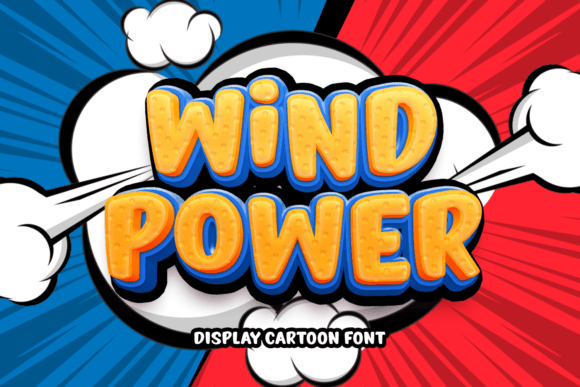
Wind Power draws its energy from animated, cartoon-style lettering traditions. The characters carry a rounded, bold weight that immediately grabs attention, whether they're set at 72 points on a poster header or scaled down for a product label. There's a playful confidence baked into every curve and stroke. The letterforms don't whisper — they announce.
What separates this kind of display font from generic bold typefaces is intention. Each character has been designed with a sense of movement and personality. The thickness isn't just padding; it gives the letters a three-dimensional quality that works beautifully against colorful backgrounds, layered with textures, or standing alone against clean white space. For anyone working on branding projects, merchandise, or social media graphics, that kind of visual weight translates directly into scroll-stopping power.
Where This Typeface Truly Shines
Display fonts live or die by context. A thick, expressive typeface like this one isn't meant for body copy or dense paragraphs — and that's perfectly fine. Its strength lies in headline territory, where first impressions happen in milliseconds.
Logo design and brand identity are natural fits. If you're building a brand that wants to feel approachable, energetic, or youthful, Wind Power gives your wordmark instant personality. Think children's book publishers, toy brands, gaming channels, snack packaging, or indie clothing lines. The font communicates fun without feeling juvenile, which is a surprisingly rare balance to strike.
Packaging design benefits enormously from bold display type. On a crowded shelf or a scrolling e-commerce page, your product name needs to be legible at a glance. This typeface handles that challenge naturally. Its thick strokes maintain clarity even at smaller sizes, and the cartoon-inspired curves add warmth that sterile sans serif fonts simply can't deliver.
Posters, banners, and event materials are another sweet spot. Whether you're designing a music festival flyer, a community event poster, or a retail sale banner, the font carries enough visual gravity to anchor an entire layout. Pair it with a clean sans serif for supporting text, and you've got a typographic hierarchy that reads clearly and looks polished.
For social media graphics, Wind Power solves a real problem. Instagram stories, YouTube thumbnails, TikTok overlays, and Pinterest pins all demand type that's readable on small screens in split seconds. The bold weight and distinctive character shapes hold up well at mobile sizes, which means fewer redesigns and more consistent visual branding across platforms.
Merchandise and print-on-demand projects are another practical application. T-shirts, mugs, tote bags, stickers — these products often rely on a single phrase or word to carry the entire design. A creative font with this much built-in personality reduces the need for elaborate illustrations. Sometimes a great typeface is the design.
Pairing Wind Power with Other Fonts
No typeface works in isolation. Even the most striking display font needs companions in a design system. The key to successful font pairing is contrast — you want your supporting typeface to complement without competing.
A clean, geometric sans serif makes an excellent partner. Fonts with open letterforms and moderate weight create breathing room next to Wind Power's bold presence. Think of it as the loud friend and the calm friend at a dinner party — they balance each other out.
If your project leans editorial or has a storytelling angle, consider pairing with a readable serif typeface for body text. The combination of a playful display header with classic body copy creates an interesting tension that feels both modern and grounded.
Script and handwritten fonts can work too, though tread carefully. Two expressive typefaces together risk visual chaos. If you do go this route, keep the script font small and use it sparingly — perhaps for a tagline or accent text beneath a Wind Power headline.
Readability and Practical Considerations
Bold display fonts demand respect for white space. Because Wind Power's characters carry significant visual weight, they benefit from generous tracking and line height. Cramping these letters together diminishes their impact and hurts legibility. Give them room to breathe, and they'll reward you with a layout that feels confident and open.
Color choice matters too. High-contrast combinations — dark letters on light backgrounds or vice versa — let the thick strokes do their job. Avoid placing this font over busy photographic backgrounds without a solid color overlay or text container. The letterforms are detailed enough that competing visual noise undermines their effectiveness.
Always test your typography at the actual size your audience will see it. A headline that looks magnificent on a 27-inch monitor might become illegible on a phone screen. Print a proof before committing to a large-format poster run. These small steps save time, money, and frustration.
Licensing and Getting Started
Before downloading any premium font, review the licensing terms carefully. Commercial use — whether for client work, products for sale, or business marketing — typically requires a commercial license. Wind Power's licensing details will specify what's covered, so read through them before incorporating the typeface into paid projects. Using a font outside its license terms can create legal headaches nobody needs.
Once you've secured the right license, install the font files and explore the full character set. Many display fonts include alternates, ligatures, or stylistic variations that unlock additional creative possibilities. Spend some time experimenting in your design software before settling on a final direction. Sometimes the best typographic choices come from unexpected character combinations you wouldn't have considered at first glance.
Wind Power isn't trying to be everything. It's a specialist — a bold, personality-driven display typeface designed for projects that need visual energy and memorable presence. Used thoughtfully, it becomes one of those design assets you reach for again and again when the brief calls for something with real character. That kind of reliability in a font library is worth its weight in creative gold.