Boogie Down: Capturing the Groovy Spirit of the 70s in Your Designs
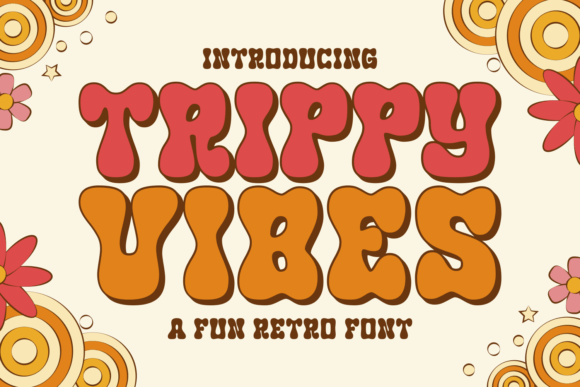
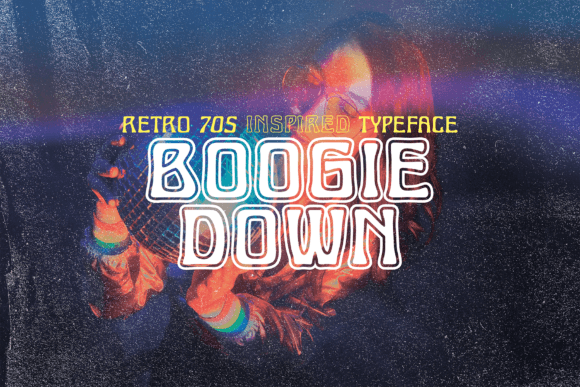
There is something magnetic about the typography of the 1970s. It wasn’t just about letters on a page; it was about attitude, rhythm, and a specific kind of cool that modern design often tries to replicate. If you have ever found yourself staring at a vintage movie poster or an old funk album cover, wishing you could bottle that energy for your own work, you aren't alone. That specific aesthetic—bold, rounded, and unapologetically loud—is exactly what defines the Boogie Down typeface. It is a super fun 70s retro all-caps font that doesn't just sit on the page; it performs. It is playfully nostalgic, delivering an incredible display option for anyone looking to inject some soul into their visual projects.
For designers, entrepreneurs, and content creators, finding a font that bridges the gap between historical reference and contemporary utility can be a game-changer. You want something that feels "retro" but doesn't look dated or illegible. You need a typeface that commands attention without screaming for it. Boogie Down is masterfully designed to become a true favorite in your library, offering the potential to bring your creative ideas to the highest level. Whether you are refreshing a brand identity or working on a one-off social media campaign, understanding how to harness the power of a premium display font like this is key to standing out in a crowded visual landscape.
The Power of Retro in Modern Branding
Why are we so obsessed with the 70s right now? In a world of sterile, geometric sans-serif fonts that dominate the tech and corporate sectors, there is a growing hunger for warmth, texture, and personality. This is where Boogie Down shines. It isn't just a typeface; it is a vibe. When you use a font with this much character, you are making a deliberate choice to humanize your brand. It tells your audience that you don't take yourself too seriously, but you care deeply about style.
For small business owners, this font offers a shortcut to instant personality. Imagine you are launching a specialty coffee roaster or a vinyl subscription box. Using a standard, generic serif font or a basic sans-serif font might communicate professionalism, but it fails to communicate the experience of your product. Boogie Down, with its bold, all-caps structure, instantly evokes the warmth of analog eras. It acts as a visual anchor for your brand identity, ensuring that the moment a customer sees your logo, they feel the energy you are trying to sell.
Practical Applications: Where Typography Meets Strategy
A font is only as good as its application. While Boogie Down is a showstopper, knowing where to deploy it is crucial for maintaining visual consistency and professional presentation. Because it is a display font, it excels in environments where impact is the priority. It is not designed for long-form body text, but rather for the headlines, logos, and call-outs that stop the scroll.
Consider the world of packaging design. On a crowded shelf, the font on your box or bottle needs to be readable from a distance. The heavy, rounded nature of Boogie Down ensures high readability for product names and key features. It pairs beautifully with clean, minimal packaging layouts, allowing the typography to do the heavy lifting for the design.
For social media graphics, the stakes are equally high. You have about two seconds to capture a user's attention on Instagram or TikTok. A bold, retro headline set in Boogie Down can create a striking contrast against a modern photo background. It brings that "editorial design" feel to digital assets, making a simple quote card or announcement look like a page out of a high-end magazine.
Strategic Pairing and Readability
One of the most common questions in typography is: "How do I pair fonts?" A display font like Boogie Down needs a partner that complements rather than competes. Because Boogie Down is so expressive and bold, you generally want to pair it with a neutral, clean companion. A modern sans-serif font or a light serif font works exceptionally well for body copy. This contrast creates a hierarchy that guides the reader’s eye naturally from the headline to the details.
For example, if you are designing a poster for a music festival, you might use Boogie Down for the artist names and the main event title to capture the retro vibe. For the time, location, and ticket information, switch to a legible sans-serif. This ensures that while the "vibe" is 70s funk, the critical information is communicated with modern clarity.
Expanding Your Creative Horizons
The utility of a versatile display font extends far beyond logos and posters. Think about the booming market of digital products and merchandise. If you are a creator selling t-shirts, tote bags, or mugs, typography is often the main design element. Boogie Down is perfect for apparel because its all-caps structure ensures durability in printing and visibility from a distance. It feels like a band tee or a vintage souvenir, which is highly desirable in the fashion market right now.
Similarly, for invitations and event stationery, this font brings a level of excitement that standard scripts cannot match. While a cursive script font is traditional for weddings, Boogie Down is the perfect choice for milestone birthdays, engagement parties, or themed corporate events. It sets the tone immediately, telling guests that this will be a fun, energetic event rather than a stiff formal affair.
Even in editorial layouts and blogs, a creative font like Boogie Down can be used to highlight pull quotes or section headers. It breaks up the monotony of reading long-form text and adds visual interest to the page. It is a tool for engagement; by varying your typography, you keep the reader visually stimulated and more likely to continue scrolling.
Key Features to Look For
When investing in a premium font, you are paying for quality and usability. A masterfully designed typeface like Boogie Down usually comes with features that make your life as a designer easier. While the primary style is the retro all-caps look, high-quality fonts often include:
- Alternative Characters: Swashes or stylistic alternates that allow you to customize specific letters to avoid repetition.
- Extended Glyph Sets: Support for multiple languages and special symbols, ensuring you can use the font for international projects.
- Vector Precision: Clean paths that allow the font to scale up to massive sizes (like billboards) without losing quality.
Always review the font family details before purchasing. Sometimes a font family includes different weights—like a light, regular, and bold version. While Boogie Down is defined by its bold presence, having variations can help you fine-tune the emphasis in your design assets.
Making the Right Choice for Your Project
Choosing a font is a subjective process, but it should also be a strategic one. Before you commit to using Boogie Down for a client project, or even your own brand, take a moment to consider the longevity of the design. Retro trends come and go, but "cool" is timeless. The 70s aesthetic has proven to be one of the most enduring styles in graphic design history. It cycles back into fashion every few years, but it never truly looks "wrong."
However, context is king. If you are designing for a cutting-edge fintech startup that wants to project an image of futuristic precision, a retro display font might send mixed signals. Conversely, if you are designing for a brewery, a record store, a podcast about history, or a lifestyle brand, this font is a bullseye. It communicates authenticity and a laid-back confidence.
Licensing and Commercial Use
A final, crucial aspect of using premium fonts is understanding the licensing. Most commercial fonts, including high-quality design assets like Boogie Down, come with specific licensing terms. If you are using the font for a client's logo, merchandise, or app, you typically need a commercial license. If you are a freelance designer, it is your responsibility to ensure the license covers the intended use, or that your client purchases the appropriate license.
Read the End User License Agreement (EULA). Does it cover web embedding? Can you use it on physical products for sale? These details matter. Using a creative font legally protects your business and supports the typographers who spend months, sometimes years, perfecting these letters.
Bringing It All Together
Typography is the voice of your design. While color and imagery catch the eye, the font choice sets the tone and delivers the message. Boogie Down is more than just a collection of retro shapes; it is a tool for storytelling. It allows you to tap into a rich history of graphic design while creating something fresh and relevant today.
Whether you are a hobbyist creating party invitations, a marketer designing a viral campaign, or a business owner building a brand from scratch, don't underestimate the power of a great display font. By balancing its bold personality with smart pairing and strategic placement, you can elevate your visual communication and ensure your message isn't just seen—it's felt. Give your next project that special retro touch; the results might just make you want to dance.