Hanzer: Capturing the Raw Spirit of Street Art in Typography
There’s a certain electricity to graffiti. It’s not just paint on a wall; it’s a voice, a statement, an unapologetic burst of personality that grabs you by the collar. For designers and creators, channeling that raw, authentic energy into a project can be the difference between something that feels generic and something that truly resonates. This is where a typeface like Hanzer steps in. It’s more than just a collection of letters; it’s a direct conduit to the urban landscape, offering a gritty, expressive style that can transform your creative work from the mundane to the memorable. If you’re looking to inject a dose of rebellious spirit and street-smart authenticity into your designs, understanding how to harness a font like this is a powerful skill.
Unpacking the Visual Language of a Graffiti-Inspired Typeface
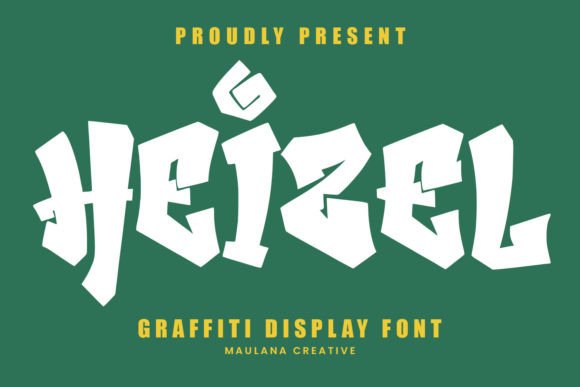
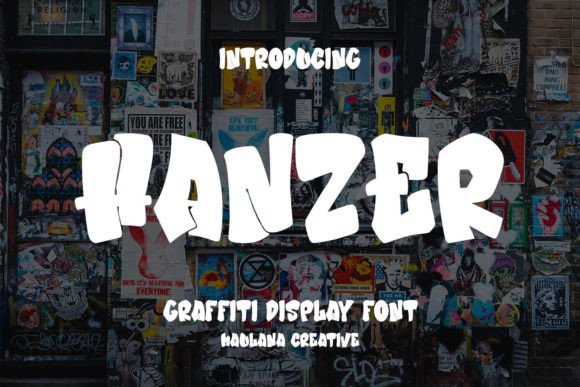
What makes a display font like Hanzer visually compelling isn't just its rough edges—it's the story those edges tell. Each character carries the weight of a marker stroke or the flow of a spray can, embodying a sense of movement and improvisation. This isn't a sterile, geometric sans serif font; it's a living piece of modern typography with a distinct personality. The slight irregularities and dynamic forms are what give it life, making it feel handmade and immediate. When you use it, you're not just selecting a style; you're adopting an attitude. This kind of creative font is ideal for projects where you need to cut through the noise and establish a bold, unmistakable identity. It speaks directly to an audience that appreciates authenticity, edge, and a break from polished corporate aesthetics.
Where This Urban Font Truly Shines: Practical Applications
The true test of any typeface is how it performs in the real world. Hanzer’s strength lies in its versatility across a range of projects that demand a strong visual statement. Think beyond the obvious. While it’s a natural fit for music event posters or streetwear branding, its applications are surprisingly broad.
- Brand Identity & Logo Design: For brands targeting a youth market, in industries like action sports, indie music, or urban fashion, this font can become the cornerstone of a logo. It instantly communicates a brand’s ethos of being edgy, authentic, and community-driven.
- Packaging Design: Imagine a craft hot sauce label, a specialty coffee bag, or a limited-edition sneaker box. Hanzer can add a layer of rebellious charm and tactile quality that makes the product feel unique and desirable on a crowded shelf.
- Social Media & Digital Content: In the fast-scrolling world of Instagram or TikTok, a bold header or quote graphic set in a distinctive typeface can stop thumbs. It’s perfect for creating engaging stories, eye-catching thumbnails, and branded templates that have a consistent, energetic vibe.
- Merchandise & Apparel: This is where the font’s essence truly comes alive. It’s built for t-shirts, hoodies, and hats. The letterforms are designed to look great printed on fabric, maintaining their impact and character whether screen-printed or embroidered.
- Editorial & Print Layouts: Use it for pull quotes, chapter headings, or feature article titles in magazines or zines focused on culture, art, or music. It can break up the monotony of body text and draw the reader into a specific section with undeniable style.
Strategic Typography: More Than Just a Cool Look
Choosing a font is a strategic decision that impacts how your audience perceives your message. A typeface like Hanzer isn't just about looking "cool"; it’s about aligning your visual communication with your project's goals. Using it for a legal firm’s website would be a mismatch, but for a skate park’s branding, it’s perfect alignment. This is the core of effective typography: matching the tool to the task. A well-chosen display font does more than decorate; it communicates values, sets a mood, and builds brand recognition. When your audience sees that distinctive style repeatedly across your packaging, social media, and website, it becomes a recognizable part of your brand’s visual language, fostering a stronger connection.
Making It Work: Practical Tips for Integration
Integrating a powerful display typeface requires a thoughtful approach to ensure it enhances rather than overwhelms your design. First, consider the hierarchy. Hanzer is built for impact, so use it for headlines, titles, and key phrases where you want maximum attention. Pair it with a cleaner, more neutral companion—a simple sans serif font or even a classic serif font for body text. This contrast creates visual balance and ensures your overall design remains professional and readable. Always test your font pairings in context. How does it look next to your chosen images? Does it maintain clarity at the sizes you’ll use it? Also, take time to explore the full character set. Many premium fonts like this come with alternates, ligatures, and glyphs that can add unique flair to specific words or logos, thanks to its PUA encoding which makes accessing these special characters simple.
From Concept to Commercial: The Final Considerations
Before you launch a project using any typeface, especially for commercial use, the final step is due diligence. Ensure you have the correct license for your intended use—whether it’s for a single client project, unlimited commercial work, or physical merchandise. A legitimate commercial font comes with clear licensing terms, protecting both you and the original creator. Review the included font files; you might find variations like a bold weight or a textured version that better suits your specific need. By treating typography as a key component of your design assets rather than an afterthought, you invest in the coherence and professionalism of your work. A font like Hanzer offers a potent tool for visual storytelling, allowing you to craft narratives that are as bold and authentic as the street art that inspired it.