Kids Playtime: Capturing Joyful Energy in Your Designs
There is a specific kind of magic that happens when you look at a design and it immediately makes you smile. It’s not just about bright colors or cute illustrations; often, the typography does the heavy lifting. If you are working on a project that targets children, families, or educational services, you know that standard corporate fonts just don't cut it. You need a typeface that speaks the language of play. That is where finding the right display font becomes crucial. We recently came across a typeface that perfectly balances legibility with a spirited personality, designed specifically to bring a sense of fun to your creative work.
The Power of a Playful Typeface
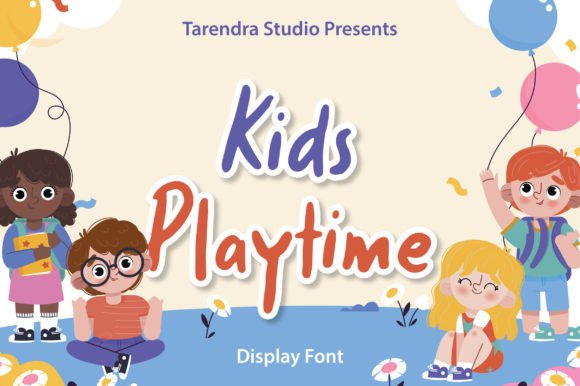
In the world of visual communication, tone is everything. A font like Kids Playtime isn't just a collection of letters; it is a design asset that carries a distinct emotional weight. It is a premium font characterized by its fresh, bouncy baseline and rounded edges. Unlike generic system fonts, this typeface was crafted with the specific intent to evoke happiness and approachability. It avoids the stiffness of traditional serif or sans serif fonts, opting instead for a style that feels hand-drawn yet polished.
For designers and brand strategists, understanding the psychology of typography is key. When a customer sees a playful display font on a product, they immediately infer that the product is friendly, safe, and engaging. This is vital for industries ranging from early childhood education to family-friendly entertainment. The visual characteristics of this font—its thick strokes and irregular spacing—mimic the way children learn to write, creating an instant subconscious connection with the audience.
Practical Applications: Beyond the Classroom
While the name suggests a focus on children, the versatility of a high-quality creative font extends much further. It is a mistake to pigeonhole a typeface like this solely for kindergarten worksheets. Its utility spans across various professional and commercial projects where a "human touch" is required.
Consider the following real-world applications where this font shines:
- Brand Identity and Logo Design: If you are launching a new toy line, a pediatric clinic, or a children’s clothing brand, your logo is your first impression. This typeface offers the legibility needed for a logo while providing the character required to stand out on a crowded shelf.
- Packaging Design: Packaging needs to grab attention quickly. Using a bold, fun display font for headlines on snack packaging or party supplies can significantly increase shelf appeal. It communicates flavor and fun before the customer even reads the description.
- Social Media Graphics: In the fast-paced world of Instagram and TikTok, static text gets ignored. A font with personality helps create thumb-stopping content. It is perfect for quotes, announcements, and sale graphics that need to feel energetic rather than corporate.
- Merchandise and Apparel: T-shirts, tote bags, and mugs often rely on typography. A handwritten font style works beautifully for merchandise because it looks great when printed on fabric, maintaining its charm whether it is screen-printed or embroidered.
- Digital Products: If you are selling printable planners, flashcards, or educational PDFs on platforms like Etsy, the typography defines the value of your product. A premium font elevates a simple PDF into a professional design asset.
Ensuring Professional Presentation and Readability
One of the biggest challenges with decorative fonts is maintaining readability. Many script or handwritten fonts sacrifice clarity for style, which can frustrate users. However, a well-designed typeface prioritizes the viewer's experience. The Kids Playtime font is designed with clear letterforms that distinguish between similar characters (like the lowercase 'l' and the number '1'), ensuring that your message is understood instantly.
When incorporating this font into your projects, keep these practical tips in mind to maintain a professional presentation:
- Pairing is Key: A display font with this much personality should be used sparingly. It is excellent for headlines, sub-headers, and call-outs. For body text, pair it with a clean, simple sans serif font. This contrast allows the playful font to stand out without overwhelming the reader, improving overall visual consistency.
- Spacing Matters: Playful fonts often benefit from slightly looser tracking (letter spacing). Because the characters are irregular, giving them a little breathing room prevents the text block from looking cluttered and enhances legibility.
- Color and Background: To maximize engagement, ensure there is high contrast between the text and the background. These fonts look best when they can breathe, so avoid placing them over busy photographs without a solid color overlay or drop shadow.
Aligning Typography with Project Goals
Choosing a font is ultimately a business decision. It must align with the specific goals of your project. If you are a small business owner creating invitations for a grand opening or a marketer designing flyers for a summer camp, the goal is to drive action. A font that feels joyful and energetic naturally encourages engagement. It lowers the barrier to entry, making the viewer feel welcomed rather than sold to.
Before finalizing your design, take the time to review the included font styles. Many premium fonts come with variations—such as bold, italic, or outline versions—that can add depth to your layout. Testing these variations allows you to create hierarchy within your design without introducing a conflicting typeface.
Finally, always consider the commercial licensing. If you are using this font for client work, merchandise, or digital sales, ensure you have the correct license. Respecting font licensing protects your business and ensures the designers who create these tools can continue to produce high-quality assets. By treating typography as a core component of your brand identity rather than an afterthought, you signal to your audience that you care about quality, details, and their experience.