Why Fox History Brings Joyful Energy to Creative Projects
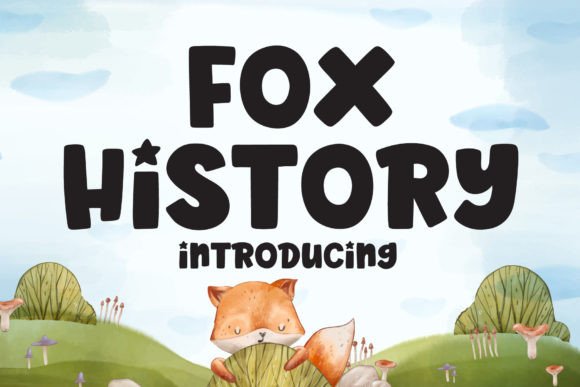
Sometimes a design calls for something more than just clean lines and neutral tones. It needs personality—a visual voice that’s warm, inviting, and unmistakably fun. That’s where a typeface like Fox History steps in. This isn’t your average, run-of-the-mill font; it’s a lively, playful display font crafted to inject a dose of cheer and originality into your work. With its bold, expressive characters, it’s designed to help your projects stand out in a crowded visual landscape, whether you’re building a brand from scratch or refreshing an existing one.
At its core, Fox History is a premium font that feels both modern and approachable. Its letterforms have a rounded, friendly quality that avoids the coldness of some geometric sans serifs while also steering clear of overly whimsical script fonts. This balance makes it surprisingly versatile. It’s the kind of typeface that can make a children’s book cover pop, give a small-batch product label a charming artisan feel, or add a burst of energy to a social media campaign. The key is understanding its personality and matching it to projects where that joyful energy is a strength, not a distraction.
Where Playful Typography Truly Shines
So, where does a font like this make the most impact? Think about projects where capturing attention and conveying a positive emotion are top priorities. For entrepreneurs and small business owners, this can be a game-changer. Imagine using Fox History for your bakery’s logo or the packaging for a new line of natural cosmetics. The font’s friendly demeanor instantly communicates warmth and care, helping to build an emotional connection with customers before they even try your product. It’s a subtle but powerful part of your brand identity.
Content creators and marketers will find it equally useful. In the fast-scrolling world of social media, graphics need to stop the thumb. A bold, cheerful headline set in Fox History can do exactly that. It works beautifully for Instagram posts, YouTube thumbnails, Pinterest pins, and even event invitations. Its high readability at larger sizes ensures your message gets across clearly, while its distinctive style helps your content become instantly recognizable in a feed. For blogs, it can be used for standout quotes or section headers to break up text and guide the reader’s eye.
Beyond digital, its applications in print are just as compelling. Consider poster designs for community events, playful merchandise like tote bags or t-shirts, or eye-catching editorial layouts in magazines. The font carries enough weight and character to hold its own in large formats, yet its clarity prevents it from becoming garish. It’s a creative font that understands the balance between being expressive and being functional.
Practical Tips for Using a Display Font Effectively
While a font like Fox History is packed with personality, using it effectively requires a bit of strategy. The first rule of thumb is to reserve it for headlines, logos, and short bursts of impactful text. Its strength is in display use. Setting a full paragraph of body copy in a bold display typeface is a recipe for poor readability. Instead, pair it with a clean, neutral sans serif or a classic serif font for longer text. This creates a harmonious contrast where the display font grabs attention and the body font ensures comfortable reading.
Font pairing is an art, but a simple starting point is to look for balance. If Fox History is your star player, give it a supporting cast that doesn’t compete. A straightforward sans serif like Open Sans or Lato can work well, as can a timeless serif like Lora or Merriweather. Always test your pairings in context—see how they look together on a mockup of your website, a sample social media graphic, or a draft of your packaging. The goal is visual consistency across all your materials, which is fundamental to building strong brand recognition.
Another practical consideration is the specific style you choose. Many premium fonts, including Fox History, come with a family of weights or stylistic alternates. Don’t just default to the regular version. Experiment with a bolder weight for maximum impact or explore any alternate characters that might add a unique flair to a particular word in your logo. Reviewing the full font package ensures you’re using the asset to its full potential.
Making the Right Choice for Your Project
Choosing a typeface is a decision that affects the entire feel of your project. Before you commit, ask yourself a few questions. Does the font’s personality align with my brand’s voice? A playful, modern typography choice like Fox History suits brands that are youthful, energetic, or community-focused. It might be less suitable for a corporate law firm or a luxury watchmaker aiming for a tone of understated elegance.
Always consider your audience and the platform. For a website, ensure the font is web-optimized and loads quickly. For print materials, check that the included font files are suitable for high-resolution output. And crucially, understand the licensing. A commercial font license is necessary for any project intended for profit, whether it’s a client’s logo, your own product packaging, or marketing assets you create for sale. This protects both you and the font’s designer.
Ultimately, the best font is one that serves the project’s goals. Fox History excels when you need to inject cheer, creativity, and a memorable visual punch. It’s a design asset that can help improve audience engagement through its sheer likability and help your professional presentation by showing thoughtful attention to detail. Used wisely, it’s more than just letters on a page—it’s a tool for telling a happier, more vibrant story.