Sewing Machine Font: A Playful Patterned Typeface for Creative Projects
There's something undeniably charming about the texture of stitched fabric—the way threads cross and weave, creating patterns that feel both handmade and intentional. The Sewing Machine display font captures this tactile quality in a digital format, offering designers and creators a typeface that brings warmth, personality, and a distinctly craft-inspired aesthetic to any project. If you've been searching for a font that feels playful without being childish, textured without being overwhelming, and distinctive without sacrificing legibility, this might be the creative asset your toolkit has been missing.
What Makes This Typeface Stand Out
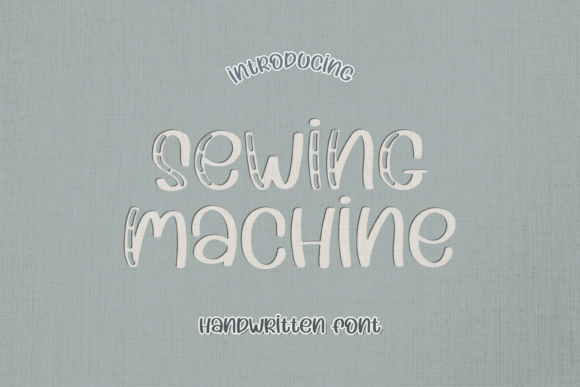
Sewing Machine isn't your typical display font. Its letterforms are built around intricate cross-stitch and embroidery-inspired patterns, giving each character a layered, textured appearance that immediately draws the eye. The design balances decorative complexity with surprising readability—a combination that many patterned fonts fail to achieve. Whether you're working at large display sizes on a poster or scaling down for a social media header, the stitching detail remains visible and contributes to the font's overall character.
What's particularly useful is how the font manages to feel both retro and contemporary. It nods to traditional needlework and craft culture while maintaining a modern sensibility that works across digital and print applications. This duality makes it versatile enough for a boutique brand targeting millennial parents, a craft supply company, or a lifestyle blog that blends vintage inspiration with current trends.
Practical Applications Across Design Projects
The beauty of a well-crafted display font like Sewing Machine lies in its adaptability. Here's where it tends to shine brightest:
Branding and Logo Design — For businesses in the handmade, artisan, or craft space, this typeface communicates authenticity without a single word of copy. A bakery specializing in decorated cookies, a children's clothing boutique, or a quilting supply shop could build an entire visual identity around its stitched aesthetic. The font does heavy lifting in establishing brand personality before a customer even reads the tagline.
Packaging Design — Product packaging needs to communicate quickly on crowded shelves. Sewing Machine's textured letterforms create instant visual differentiation, particularly for products where a handcrafted or artisanal quality is part of the value proposition. Think yarn labels, sewing kits, specialty food items, or gift wrap.
Social Media Graphics — In feeds dominated by clean sans serifs and minimalist layouts, a patterned display font stops the scroll. It works exceptionally well for Instagram quote graphics, Pinterest pins promoting DIY tutorials, or Facebook headers for craft-focused businesses. The visual texture translates well to screen-based formats, maintaining its charm at various resolutions.
Invitations and Event Materials — Baby showers, craft fairs, quilting bees, sewing circles, birthday parties with a DIY theme—any event that celebrates making things by hand benefits from typography that reinforces that spirit. Sewing Machine sets the tone before guests even arrive.
Merchandise and Print Products — Tote bags, mugs, stickers, and greeting cards designed for the maker community often need fonts that feel authentic to the space. This typeface fits naturally into product lines sold at craft markets, Etsy shops, or independent retail stores.
Editorial and Blog Design — While you wouldn't set body copy in a display font, headers, pull quotes, and section dividers benefit from the visual interest Sewing Machine provides. A crafting blog or lifestyle publication can use it to create a cohesive, recognizable visual language across every post.
Pairing Sewing Machine with Complementary Typefaces
Any display font reaches its full potential when paired thoughtfully with supporting typefaces. Because Sewing Machine carries significant visual weight and texture, it pairs best with simpler, cleaner fonts for body text and secondary information.
A classic sans serif like a geometric or humanist typeface provides excellent contrast without competing for attention. Think of how a clean, neutral body font lets the display headers do their job without creating visual noise. Similarly, a simple serif font with moderate contrast can complement the stitched aesthetic, especially in editorial layouts where you want a slightly more traditional feel.
The key principle is balance. If your headline font is rich with detail, your supporting typography should breathe. Avoid pairing Sewing Machine with other heavily decorative or script fonts in the same layout—this typically creates clutter rather than cohesion. Instead, let it serve as the visual anchor while simpler typefaces handle the functional communication work.
Readability and Size Considerations
Every designer knows that display fonts demand thoughtful sizing. Sewing Machine reads best at larger sizes where its intricate pattern work can be fully appreciated. At very small sizes, the stitched details may begin to merge, reducing clarity. This isn't a flaw—it's simply the nature of patterned typography.
For web design, consider using it primarily for hero sections, feature headers, and call-to-action elements where it can render at 24 pixels or above. For print, it excels at headline sizes on posters, flyers, and packaging. When in doubt, test the font at your intended output size before committing to a final layout. Print a sample, preview on multiple devices, and check how the letterforms hold up under your specific production conditions.
Also worth noting: examine the full character set and any included font styles before starting a project. Understanding what's available—alternate characters, numerals, punctuation, multilingual support—helps you plan layouts more effectively and avoids surprises during production.
Building Brand Recognition Through Distinctive Typography
In crowded markets, visual consistency is one of the most powerful tools a brand possesses. When customers encounter the same typeface across your website, packaging, social channels, and printed materials, recognition builds over time. A distinctive font like Sewing Machine accelerates this process because it's inherently memorable.
Consider how quickly you recognize brands that have committed to specific typographic choices. The typeface becomes inseparable from the brand experience. For businesses operating in creative, craft, or lifestyle spaces, choosing a font that genuinely reflects your brand's personality—rather than defaulting to whatever's trending—creates a more authentic and lasting impression.
This doesn't mean you need to use the font everywhere, all the time. Strategic application is more effective than blanket usage. Reserve it for your most visible touchpoints: logo, primary headers, key marketing materials. Let it do its job where it matters most, and support it with more neutral typography elsewhere.
Licensing and Commercial Use
Before incorporating any premium font into commercial projects, verify the licensing terms carefully. Most quality display fonts come with clear licensing structures that outline permitted uses—desktop, web, app, and merchandise applications may each carry different terms or require separate licenses. Understanding these details upfront prevents complications later, especially if you're designing for clients or producing merchandise for sale.
If you're a designer creating work for multiple clients, confirm whether the license covers that use or if each client needs their own. For small business owners producing their own materials, standard commercial licenses typically suffice, but it's always worth reading the fine print. Reputable font designers and foundries provide transparent licensing information, and investing in properly licensed design assets protects both your work and your reputation.
Finding the Right Fit for Your Next Project
Not every project calls for a textured, patterned display font—and that's perfectly fine. Typography selection should always start with the project's goals, audience, and context. Ask yourself what feeling you want to evoke, who will be reading it, and where the design will live. If warmth, craftsmanship, playfulness, and visual texture align with those answers, Sewing Machine deserves a spot in your consideration set.
Download a test version, set a few of your actual project headlines in it, and see how it feels in context. The best font choices happen when you move beyond specimen sheets and evaluate typefaces within the real constraints and opportunities of your specific work. Sometimes a font that looks stunning in isolation doesn't serve the project—and sometimes one you overlooked becomes the perfect solution once you see it in action.
For designers, creators, and entrepreneurs who work in spaces where personality and craftsmanship matter, having a typeface like Sewing Machine in your collection means you're ready when the right project comes along. And when it does, you'll have a creative asset that does more than spell words—it tells a story with every letter.