Flinch: The Playful Display Font with Serious Creative Range
There's a particular kind of energy that jumps off the page when you see a font that doesn't take itself too seriously. Flinch is exactly that—a display typeface with a cartoon-inspired personality that manages to feel both whimsical and surprisingly versatile. If you've ever struggled to find a typeface that injects warmth and character into a project without crossing into childish territory, this one deserves a closer look.
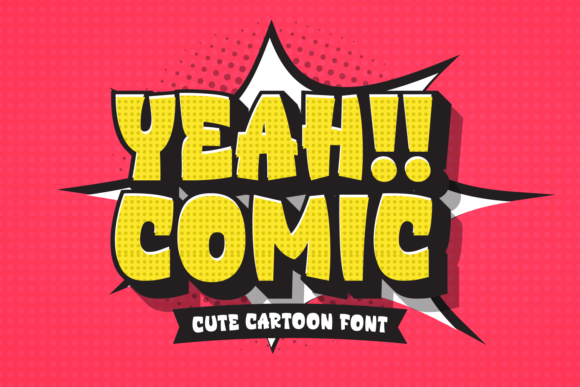
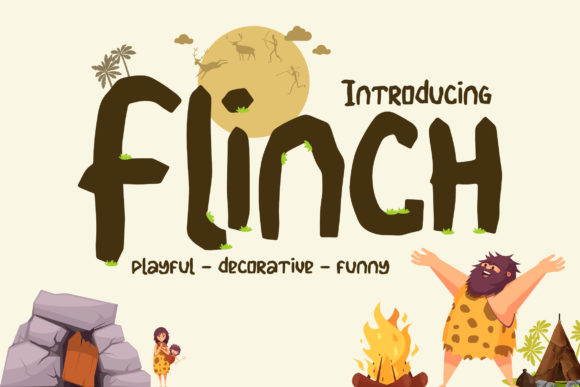
At its core, Flinch is a fun, playful, cartoon-like display font. Its original look will appeal to a wide range of crafty ideas, from letterheads and titles to stationery. But limiting it to those applications would be a mistake. The font carries enough visual weight and personality to anchor branding projects, packaging designs, social media campaigns, and even editorial layouts where a touch of levity is welcome.
What Makes Flinch Stand Out in a Crowded Font Market
Every designer has opened a font library and felt overwhelmed by the sheer volume of options. Script fonts, serif fonts, sans serif fonts—they all serve different purposes, but display fonts like Flinch occupy a special niche. They're designed to grab attention, to make a statement, and to carry a mood in just a few words.
Flinch does this with rounded letterforms, slightly exaggerated proportions, and a handcrafted quality that feels approachable rather than rigid. It doesn't look like it was engineered in a lab. It looks like someone sat down with genuine enthusiasm and drew each character with care. That authenticity translates directly into the projects where it's used.
Think about the last time a piece of packaging made you smile before you even knew what was inside. Or a social media graphic that stopped your scroll because the typography felt alive. That's the territory Flinch works in. It's a creative font that communicates emotion before the reader even processes the words themselves.
Practical Applications That Actually Work
Knowing a font looks good in a specimen sheet is one thing. Understanding how it performs in real-world projects is something else entirely. Here's where Flinch genuinely shines.
Logo Design and Brand Identity: For small businesses, startups, or personal brands that want to feel friendly and approachable, Flinch offers a distinctive voice. A children's clothing line, a neighborhood bakery, a podcast about creative hobbies, a mobile app aimed at families—these are the kinds of brands where a typeface like this immediately communicates the right values. It says, "We're here to have fun, and we don't take ourselves too seriously." Pair it with a clean sans serif font for body text, and you've got a brand identity that feels cohesive without being monotonous.
Packaging Design: Shelf presence matters. Whether you're designing labels for artisanal jam, boxes for craft kits, or sleeves for specialty coffee, the typography on your packaging is often the first thing a customer notices. Flinch's cartoon-like quality works beautifully for products that want to emphasize playfulness, creativity, or handmade charm. It's particularly effective for limited-edition runs or seasonal packaging where standing out from competitors is critical.
Social Media Graphics: Platforms like Instagram, TikTok, and Pinterest are visual battlegrounds. Fonts that look generic get ignored. Flinch has enough personality to make a quote graphic, announcement, or promotional post feel distinct. Because it's a display font, it works best at larger sizes—think headlines, callouts, and featured text rather than long captions.
Print Materials and Merchandise: Posters, flyers, stickers, tote bags, t-shirts, mugs—anything that benefits from a bold, expressive typeface is fair game. The font's playful nature makes it especially well-suited for event promotions, festival branding, merchandise for content creators, and printed materials for workshops or classes.
Digital Products and Editorial Design: E-book covers, course graphics, blog headers, newsletter designs, and magazine pull quotes all benefit from a display font that commands attention without feeling aggressive. Flinch adds visual interest to layouts that might otherwise feel flat, particularly in lifestyle, creative, and family-oriented publications.
Invitations and Stationery: Wedding invitations for casual celebrations, birthday party invites, thank-you cards, personalized stationery—these are classic use cases for a font with handcrafted charm. Flinch brings a warmth that formal serif fonts often can't match, making it ideal for occasions that are meant to feel personal and joyful.
Matching Typography to Your Project Goals
Choosing the right font isn't just about personal taste. It's about alignment between what a typeface communicates and what your project needs to say. Before selecting Flinch for a project, ask yourself a few questions:
- What's the tone? If your brand or project leans toward friendly, approachable, creative, or youthful, Flinch is a strong candidate. If the goal is to communicate authority, luxury, or clinical precision, a different typeface might serve you better.
- Who's the audience? Parents, kids, creative professionals, hobbyists, and casual consumers tend to respond well to playful typography. Corporate audiences or formal contexts might require something more restrained.
- Where will it appear? Display fonts like Flinch perform best at larger sizes. If the primary use case is body copy in long-form documents, you'll want to pair it with a more readable typeface for paragraphs.
- What's the competition doing? Sometimes the best reason to choose a distinctive font is that nobody else in your space is using one. If every competitor uses the same geometric sans serif, a typeface with character becomes a differentiator.
Font Pairings and Readability Considerations
One of the most common mistakes in design is using a single expressive font for everything. Display fonts like Flinch are built for impact, not for reading paragraphs. The smartest approach is to pair it with a complementary typeface for supporting text.
A clean sans serif font works well as a counterbalance. Think of fonts like Open Sans, Lato, or Montserrat for body copy—they're neutral enough to let Flinch take center stage without competing for attention. If you prefer something with a bit more warmth, a humanist sans serif or even a simple serif font can create an interesting contrast.
When testing font pairings, set them side by side at the actual sizes they'll appear in your design. What looks balanced on a 27-inch monitor might feel cramped on a phone screen. Print a test page if the project involves physical materials. Check readability at arm's length for posters and at reading distance for stationery.
Pay attention to spacing, too. Flinch's letterforms have their own rhythm, and adjusting letter-spacing or line-height can make a significant difference in how polished the final result looks. Don't be afraid to experiment with tracking and leading until the text feels right in context.
Licensing and Professional Use
One detail that often gets overlooked until the last minute is licensing. If you're using Flinch for a commercial project—a client's logo, a product you plan to sell, marketing materials for a business—you need to confirm that the font license covers commercial use. Many premium fonts come with different licensing tiers depending on the scope of use, the number of users, or the type of product.
Read the license agreement before you commit to a font in a project. It's a small step that prevents significant headaches later, especially if the design ends up on merchandise, in advertising, or distributed as part of a digital product.
Also, take time to explore what font styles are included with your purchase. Some display fonts come with multiple weights, alternates, or stylistic variations that give you more flexibility within a single typeface family. Understanding what's available helps you get the most value from your design assets and maintain visual consistency across different applications.
Bringing It All Together
Flinch isn't trying to be everything to everyone, and that's precisely what makes it effective. It knows what it is—a playful, cartoon-inspired display font with enough character to elevate projects that need personality. Whether you're building a brand from scratch, designing packaging for a small business, creating social media content, or putting together printed materials for an event, it offers a visual voice that's hard to replicate with more conventional typefaces.
The key is using it intentionally. Let it headline. Let it set the mood. Pair it with something grounded for the details. Test it in context before committing. And make sure the licensing fits your project's scope.
Typography is one of the most powerful tools in visual communication, and the fonts you choose say as much about your project as the words they form. A typeface like Flinch gives you permission to be bold, to be playful, and to connect with your audience on a level that feels genuinely human. That's not a small thing in a world full of generic, interchangeable design choices.