Retro Give: Injecting Chubby, Playful Character into Your Brand
There is a specific kind of joy found in design that doesn’t take itself too seriously, yet commands attention with absolute authority. If you have ever scrolled through vintage travel posters or admired the bold typography on 1970s candy wrappers, you know that feeling of warmth and nostalgia. For designers, entrepreneurs, and content creators looking to capture that same energy in modern projects, finding the right typeface is often the missing puzzle piece. Enter a display font that balances boldness with a friendly demeanor—a typeface designed not just to be read, but to be felt.
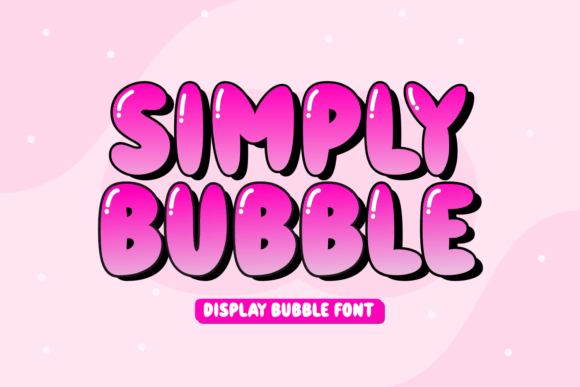
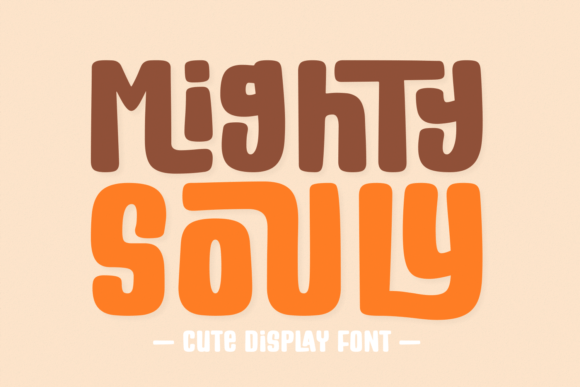
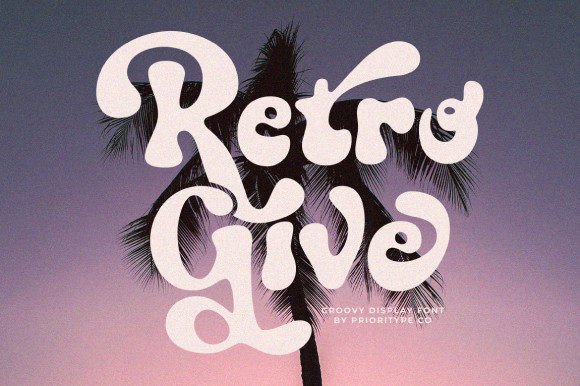
At its core, this is a typeface defined by volume. It features fun, chubby characters that immediately soften the blow of a headline, making it feel accessible rather than aggressive. In the world of branding, this distinction is vital. Whether you are a small business owner launching a new product or a blogger curating a specific aesthetic, the visual weight of your typography sets the emotional tone. Heavy, geometric fonts can sometimes feel industrial or cold, but the rounded edges and substantial presence of this specific style offer a different narrative. It suggests generosity, openness, and a sense of fun.
The Anatomy of a Friendly Giant
When we talk about a "chubby" character set, we are referring to the counter-spaces and the stroke width. This particular design maximizes the interior space of each letter while maintaining a heavy exterior stroke. The result is a typeface that feels inflated in the best possible way—like a balloon animal or a marshmallow. It is a premium font that manages to be loud without shouting.
However, the real power lies in versatility. A common frustration with display fonts is their static nature; you buy the file, and you get one look. This typeface disrupts that limitation by equipping the user with various alternative characters. This feature is crucial for anyone involved in visual communication. If you are designing a logo, the last thing you want is for your brand mark to look identical to a competitor who purchased the same asset. By utilizing stylistic alternates, you can swap out standard letters for variations that have different flourishes or structural changes, ensuring your design remains unique.
For the designer or crafter, this means you aren't just buying a single look; you are acquiring a toolkit. One alternative character set might give the font a more retro-groovy vibe, perfect for a music festival poster, while another variation might clean up the lines for a more corporate-friendly but still approachable branding kit.
Practical Applications Across Industries
Understanding the aesthetic is one thing; applying it effectively is another. The utility of a bold, retro-inspired display font spans a surprisingly wide array of industries and mediums. It is not limited to just one niche of design.
- Branding and Logo Design: For startups, particularly in the food, beverage, or lifestyle sectors, this font offers immediate personality. It works beautifully as a wordmark logo where the typography itself acts as the icon.
- Packaging Design: On a shelf crowded with minimal, sans-serif labels, a chubby, retro display font can stop a consumer in their tracks. It is particularly effective for artisanal goods, ice cream brands, or children’s products where tactile appeal is important.
- Social Media Graphics: Algorithms favor engagement, and bold typography drives engagement. Using this font for Instagram quotes, YouTube thumbnails, or TikTok overlays ensures that your message is readable even on small mobile screens.
- Merchandise and Print: Think about T-shirts, tote bags, and stickers. These items rely on high-contrast graphics. The thick strokes of the font ensure durability in printing and visibility from a distance.
- Invitations and Editorial Layouts: While it is a display font, it can serve as a striking drop cap or pull quote in editorial design, breaking up the monotony of body text and drawing the reader's eye to key points.
Enhancing Brand Recognition and Engagement
Visual consistency is the backbone of brand recognition. When a customer sees your content, they should be able to identify you before they even read the text. Typography is the silent ambassador of your brand. By adopting a typeface with a distinct personality—like a bold, retro display font—you create a psychological anchor for your audience.
Consider the "readability" factor. While serif fonts are excellent for long-form body text, they often lack the punch needed for headers. Conversely, some sans-serif fonts can be too sterile. This specific style bridges the gap. It is designed for headlines, hero sections, and call-to-action buttons. Its high x-height and open apertures ensure that despite its heavy weight, every letter remains legible. This improves the user experience on websites and digital products, reducing bounce rates and keeping visitors engaged with your content.
Furthermore, the "retro" aspect taps into a powerful marketing trend: nostalgia. Nostalgia creates an emotional connection. It makes a brand feel established and trustworthy, even if it is brand new. By leveraging modern typography that nods to the past, you position your brand as both grounded and creative.
Integrating This Font into Your Workflow
For the creative entrepreneur or marketing professional, the technical integration of a font is just as important as its visual appeal. Before finalizing a design project, it is essential to review the included font styles and licensing.
Most premium fonts come with specific licensing agreements regarding commercial use. If you are a freelancer creating logos for clients, or a business owner printing merchandise, you must ensure your license covers the intended output. This font is suitable for commercial projects, but always double-check the End User License Agreement (EULA) regarding the number of users or print runs.
One of the most critical steps in utilizing a display font is font pairing. A bold, chubby typeface is fantastic for impact, but it can be overwhelming if used for paragraphs of text. It requires a supporting cast.
A strong pairing strategy involves contrast. Because this font has a lot of personality, it pairs exceptionally well with clean, neutral typefaces.
- Pair with a Geometric Sans-Serif: A clean sans-serif font for body text will allow the display font to shine in headers without creating visual noise.
- Pair with a Simple Serif: For a more editorial look, such as a lifestyle magazine or a blog, pairing this bold display font with a classic serif can create a sophisticated yet playful hierarchy.
- Pair with a Script or Handwritten Font: If you are going for a very casual, high-energy vibe (like a party invitation or a streetwear brand), mixing the chubby display font with a loose handwritten script can work, provided the colors are balanced.
When testing your pairings, pay attention to size ratios. This font likely looks best at larger sizes where the details of the alternative characters can be appreciated. If you force it into a small size, the "chubby" details might turn into muddy pixels or ink blots.
Designing for the Future with Retro Soul
The landscape of design assets is constantly shifting, but the need for human connection remains constant. We are seeing a move away from ultra-thin, hyper-minimalist typography toward typefaces that feel handmade, substantial, and warm. This retro-inspired display font fits perfectly into that trajectory.
For the hobbyist creating a scrapbook or digital planner, it offers a way to inject joy into personal projects. For the professional web designer, it offers a way to break the grid and create landing pages that convert through personality. It is a creative font that doesn't just serve a function; it tells a story.
Ultimately, choosing a typeface is about finding a voice for your project. If your brand voice is friendly, bold, nostalgic, and confident, then a typeface with chubby characters and retro flair isn't just a stylistic choice—it’s a strategic one. It transforms standard text into a visual experience, ensuring that whether it’s on a billboard or a business card, your message is seen, felt, and remembered.