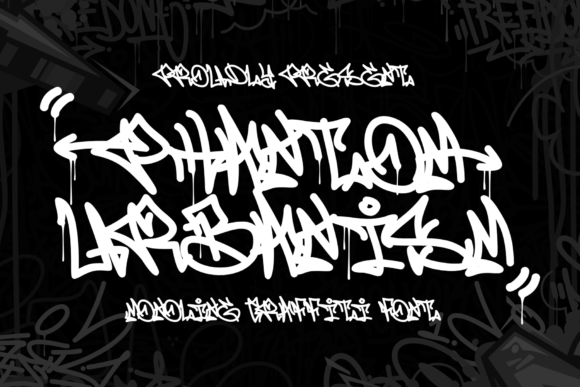
Phantom Urbanism: The Font That Captures Street Energy
You've got a project that needs to scream attitude. Maybe it's a logo for a new skate brand, a bold headline for a streetwear lookbook, or decals for a motorsport team. The message is clear in your head, but when you try to set the type, something falls flat. The fonts you have feel too corporate, too polished, or just plain generic. They lack the gritty, confident energy that defines urban culture. This is the exact gap a monoline display font like Phantom Urbanism is designed to fill.
At its core, Phantom Urbanism is a typeface built for impact. Its single-weight, consistent stroke width gives it a clean, technical feel, while its sharp angles and bold proportions deliver an unmistakable streetwise edge. It’s not trying to be elegant or traditional. Instead, it channels the boldness of graffiti, the clarity of road signage, and the raw aesthetic of skate and street graphics. This makes it a powerful design asset for anyone working in spaces where attitude and immediacy are key.
Beyond Streetwear: Practical Applications for a Bold Typeface
While its name hints at urban projects, the utility of a strong display font extends far beyond stickers and t-shirts. Think of Phantom Urbanism as a tool for adding a dose of modern typography to any project that needs to make a statement quickly. Its clear, monoline construction ensures it remains highly legible even at larger sizes, which is critical for many applications.
- Brand Identity & Logo Design: For startups in action sports, tech, or music, a logo set in Phantom Urbanism instantly communicates innovation and energy. It’s a fantastic choice for creating a primary wordmark or a strong lockup for a brand identity.
- Packaging & Merchandise: Imagine a limited-edition sneaker box, a craft beer can, or a skateboard deck. The font’s bold presence helps packaging jump off the shelf and makes merchandise feel more authentic and collectible.
- Digital & Social Media: On Instagram graphics, YouTube thumbnails, or website hero sections, this typeface acts as a visual hook. It grabs attention in a crowded feed and establishes a strong visual tone for your content.
- Editorial & Print: Use it for magazine headlines, event posters, or music festival lineups. It brings a contemporary, youthful vibe to editorial design that can make layouts feel more dynamic and current.
- Marketing Assets: From sale banners to email headers, incorporating a distinctive font like this can break through the noise of standard marketing collateral, making your campaigns feel more cohesive and memorable.
Making It Work: Font Pairing and Readability Considerations
A powerful display font is a specialist, not a generalist. You wouldn’t use Phantom Urbanism for long paragraphs of body copy—its strength is in headlines, logos, and short, impactful statements. The real magic happens when you pair it thoughtfully with other typefaces. For a balanced design, consider combining it with a clean, neutral sans serif font for supporting text. This contrast allows the display font to shine without overwhelming the viewer.
For example, pairing it with a geometric sans serif creates a modern, tech-forward look. Combining it with a simple, handwritten font can add a layer of authenticity and approachability for a brand. The key is to test your pairings. Set your headline in Phantom Urbanism and your subheading or body text in your chosen partner font. Read it aloud. Does the hierarchy feel clear? Does the overall mood align with your project’s goals? A font pairing should feel intentional, not accidental.
Accessing the Full Character Set
One of the practical advantages of Phantom Urbanism is its PUA encoding. In plain terms, this means all the extra glyphs, stylistic alternates, and swashes included with the font are easily accessible, even in basic design software or word processors that don’t have advanced OpenType features. You can simply copy and paste the special characters from a character map. This gives you creative flexibility to customize letterforms for unique logos or decorative elements without needing professional typographic tools.
When you invest in a premium font, you’re not just buying a set of letters. You’re acquiring a design tool with specific capabilities. Take the time to explore the full character set of any font you use. You might find alternate characters that solve a specific kerning issue or a swash that adds the perfect finishing touch to a wordmark.
Choosing Fonts with Intent
Selecting a typeface is a branding decision. The fonts you use become part of your visual language, influencing how your audience perceives your message. A serif font can suggest tradition and reliability. A script font can feel personal and elegant. A monoline display font like Phantom Urbanism communicates confidence, modernity, and a connection to contemporary urban culture. It’s a commercial font designed for creative professionals who need to make a strong, clear statement.
Before downloading any new font, ask yourself: What is the primary emotion or idea I need to convey? Who is my audience? Where will this design live most—on screen or in print? Answering these questions will guide you toward the right typeface family. A font that’s perfect for a motorsport logo might not be the right fit for a boutique bakery’s menu, and that’s okay. The goal is to find the tool that best serves the specific job at hand.
In a landscape saturated with visual content, the details matter. The right typography can elevate a good idea into a great design, ensuring your work not only gets seen but also remembered. For projects that demand energy and clarity, having a font like Phantom Urbanism in your toolkit means you’re always ready to make that bold first impression.