Multicoloured Stickers: A Font That Radiates Joy and Energy
There's something undeniably magnetic about a design that feels alive—something that doesn't just sit on the page but practically bounces off it. If you've ever scrolled past a social media post, paused at a poster, or picked up a product because its typography made you smile, you already understand the power of a display font with personality. Multicoloured Stickers is exactly that kind of typeface: bold, exuberant, and unapologetically fun. It's the font equivalent of confetti, and it has a surprising amount of practical value for designers, entrepreneurs, and creators who want their work to feel approachable and memorable.
What Makes This Display Font Stand Out
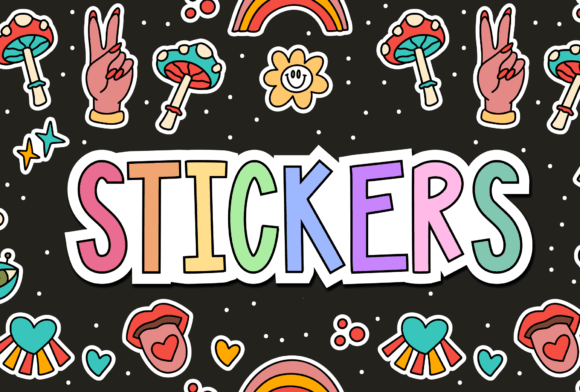
At its core, Multicoloured Stickers is a vibrant display font built for moments when you need text to command attention without feeling aggressive. The letterforms carry a rounded, chunky weight that suggests playfulness, while the overall structure remains clean enough to stay legible at headline sizes. Think of it as a modern typography choice that bridges the gap between a bold sans serif font and a more expressive creative font—it borrows the confidence of heavy geometric lettering but softens the edges with warmth.
What really sets it apart is its visual optimism. Where many display fonts lean toward edgy or minimalist aesthetics, this typeface embraces color, energy, and a certain handmade charm. It works beautifully when rendered in bright, saturated hues—think coral pinks, sunshine yellows, and electric blues—but it also holds its own in monochrome when you need a more restrained look. That versatility makes it a genuinely useful addition to any designer's toolkit rather than a novelty you'd only use once.
Where This Font Truly Shines: Real-World Applications
The beauty of a typeface like Multicoloured Stickers is that it isn't limited to one category of design. It adapts to a wide range of projects, and understanding where it performs best can help you decide when to reach for it.
Branding and Logo Design
If you're building a brand identity for something that needs to feel energetic and approachable—think children's products, food trucks, indie beauty brands, fitness studios, or community events—this font can serve as a powerful anchor for your logo design. Its bold weight ensures visibility at small sizes, and its personality communicates friendliness before a customer even reads the tagline. Pair it with a clean serif font or a simple sans serif font for body copy, and you've got a brand system that feels cohesive and inviting.
Packaging Design
Shelf presence matters. Whether you're designing labels for artisanal jam, sticker sheets for an Etsy shop, or box packaging for a subscription service, Multicoloured Stickers adds a tactile, craft-inspired quality that suggests care and creativity. It works particularly well for products targeting families, younger demographics, or anyone who responds to a cheerful aesthetic.
Social Media Graphics
On platforms like Instagram, TikTok, and Pinterest, you have roughly half a second to stop someone from scrolling. A headline set in this display font practically dares you to look away. Use it for quote graphics, sale announcements, story highlights, or carousel headers. It photographs well, which matters more than most people realize—fonts with strong, simple shapes tend to render crisply across devices and screen resolutions.
Print Materials and Posters
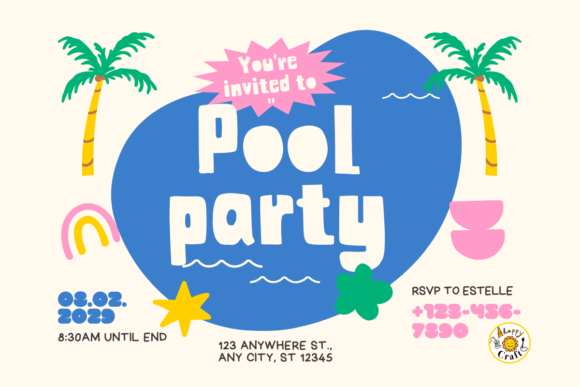
Flyers, event posters, workshop handouts, and invitations all benefit from typography that sets a mood instantly. If you're promoting a summer festival, a kids' birthday party, a craft fair, or a product launch, this typeface communicates the energy of the event before anyone reads the details. It's especially effective when combined with playful illustration or bold color blocking.
Merchandise and Digital Products
Tote bags, mugs, t-shirts, enamel pins—merchandise design often demands a font that looks great as a standalone graphic element. Multicoloured Stickers has enough visual weight to work on its own without additional illustration. Similarly, for digital products like printable planners, worksheet templates, or online course materials, it brings a sense of personality that generic system fonts simply can't match.
Websites, Blogs, and Editorial Layouts
While it's not a body text font (and shouldn't be used as one), it's an excellent choice for blog post titles, section headers, call-to-action buttons, and landing page headlines. In editorial design, it can add a pop of personality to magazine-style layouts, especially in lifestyle, food, parenting, or creative industries. The key is restraint—use it strategically, not everywhere.
How the Right Typeface Improves Your Design Outcomes
Choosing a font isn't just an aesthetic decision—it's a strategic one. The typography you select directly influences how your audience perceives your brand, how long they engage with your content, and whether they remember you afterward.
Visual Consistency and Brand Recognition
When you use the same typeface across your touchpoints—website headers, social posts, packaging, invoices, email signatures—you create a visual thread that ties everything together. Over time, people start to associate that font with your brand. Multicoloured Stickers, with its distinctive personality, is the kind of typeface that becomes instantly recognizable once it's part of your system.
Readability and Professional Presentation
This might seem counterintuitive for a display font, but readability still matters even at headline sizes. A font that's too decorative or too condensed can frustrate readers, especially on mobile screens. Multicoloured Stickers balances its expressive style with enough clarity that words remain easy to parse, which is a genuine strength among premium font options in the display category.
Audience Engagement
Typography sets an emotional tone. A serious, austere font tells a different story than a warm, rounded one. If your target audience values approachability, creativity, and joy, this typeface speaks their language. It doesn't try to be everything to everyone—and that specificity is exactly what makes it effective.
Practical Tips for Working With Expressive Typography
Before you start using Multicoloured Stickers in your next project, a few practical considerations can help you get the most out of it.
- Test font pairings early. A bold display font needs a quieter partner for body text. Try pairing it with a neutral sans serif font like a geometric or humanist option, or even a classic serif font for contrast. Set a sample paragraph and a headline together before committing.
- Watch your sizing. Display fonts are designed for large text. If you set Multicoloured Stickers at 12 points for a paragraph, you'll lose the detail that makes it special—and likely hurt readability. Reserve it for headlines, titles, and accent text.
- Check the included font styles. Some premium font packages include alternate characters, ligatures, or stylistic sets that give you additional creative options. Review the full character map before you start designing—you might find a swash or alternate letterform that elevates your layout.
- Consider commercial licensing. If you're using the font for client work, merchandise, or products you sell, make sure your license covers commercial use. This is one of those details that's easy to overlook but genuinely important for protecting your business.
- Don't overdo it. One expressive font per project is usually enough. If your headline, subhead, body text, and captions are all fighting for attention, nothing stands out. Let Multicoloured Stickers be the star, and keep everything else supporting.
Bringing It All Together
Finding a font that feels right for your project is part intuition and part strategy. Multicoloured Stickers isn't trying to be subtle or understated—it's a creative font that wants to make people feel something, and it does that job well. Whether you're a small business owner refreshing your packaging, a content creator building a recognizable visual brand, or a designer looking for a display font that breaks away from the usual minimalist options, it's worth exploring. The best typography doesn't just look good on a mockup—it works hard in the real world, across platforms and media, helping you connect with the people you're trying to reach. And sometimes, the right font is simply the one that makes your audience smile.