Molland: The Groovy Display Font for Nostalgic Branding
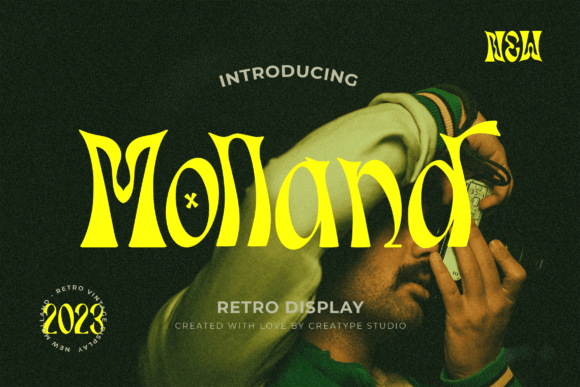
You know that feeling when you stumble upon a typeface that just clicks? It's not about technical perfection or trendy aesthetics—it's about character. Molland is that kind of font. It blends a retro, groovy vibe with a warm, handwritten charm that feels instantly familiar, like flipping through a vintage photo album or finding an old concert poster in a flea market. If you're working on a project that needs personality, nostalgia, and a touch of playful energy, this typeface might be exactly what you've been searching for.
Let's be real: choosing a font isn't just about picking something that looks nice. It's about finding a visual voice that aligns with your message, your audience, and the story you're trying to tell. Molland isn't a quiet, neutral typeface. It has presence. It's the kind of display font that makes people stop scrolling, lean in, and pay attention. Whether you're designing a logo for a boutique coffee shop, crafting social media graphics for a lifestyle brand, or putting together wedding invitations with a retro flair, Molland brings a distinct personality that’s hard to ignore.
A Typeface with Vintage Soul and Modern Energy
What makes Molland stand out? It's all in the details. The letterforms have that slightly irregular, hand-drawn quality that gives them authenticity—like they were crafted by a sign painter in the 1970s rather than generated by software. The curves are soft, the strokes have a gentle weight variation, and there's a subtle rhythm to the spacing that makes it feel organic. It's not overly polished, and that's a strength. In a world saturated with sleek, minimalist sans serif fonts, Molland offers something warmer, more human, and more memorable.
But don't mistake its vintage roots for being outdated. Molland balances retro charm with contemporary readability. The letter spacing is thoughtful, the x-height is generous enough to work at smaller sizes, and the overall design feels fresh rather than dated. It's a creative font that bridges the gap between nostalgia and modern design sensibilities—perfect for brands that want to evoke a sense of history while still feeling current.
Where Molland Truly Shines: Practical Applications
So, where does this typeface work best? Honestly, anywhere you want to inject personality and warmth. Here are a few ideas that go beyond the obvious:
- Logo Design: Molland's distinctive character makes it ideal for logos that need to stand out. Think artisan bakeries, vintage-inspired clothing brands, indie record labels, or craft breweries. It pairs beautifully with simpler sans serif fonts for a balanced brand identity.
- Packaging Design: If you're designing product labels, boxes, or bags for a small business, Molland adds that handmade, artisanal feel that consumers love. It works especially well for food products, cosmetics, or any brand that emphasizes craftsmanship.
- Social Media Graphics: Instagram, Pinterest, TikTok—these platforms are visual playgrounds. Molland's bold, eye-catching style makes it perfect for quote graphics, promotional posts, story templates, and reels covers. It's the kind of font that stops the scroll.
- Wedding and Event Stationery: Invitations, save-the-dates, menus, programs—Molland's nostalgic elegance adds a romantic, personal touch to any celebration. It's especially fitting for vintage-themed weddings or events with a retro vibe.
- Website Headers and Blogs: While Molland isn't designed for body text, it works beautifully for headlines, hero sections, and featured quotes on websites. Pair it with a clean sans serif for body copy, and you've got a dynamic, readable layout.
- Merchandise and Apparel: T-shirts, tote bags, stickers, mugs—Molland's playful energy translates well to physical products. It's a great choice for brands selling lifestyle or novelty items.
- Editorial and Print Design: Magazine covers, book titles, posters, flyers—any print project that needs a strong visual hook benefits from Molland's distinctive presence.
Building a Cohesive Brand Identity with the Right Typography
Typography is one of the most underrated tools in branding. The fonts you choose communicate more than just words—they set the tone, establish credibility, and create emotional connections. Molland, as a display typeface, is best used strategically. It's not the font for your entire website's body copy or a 50-page business report. But for headlines, logos, and key visual elements? It's incredibly effective.
The key is consistency. Once you choose Molland as part of your brand's typographic system, use it deliberately across all touchpoints—your website, social media, packaging, print materials—to build recognition. Over time, your audience will start associating that distinctive, groovy lettering with your brand. That's the power of thoughtful font selection.
One practical tip: always test your font pairings. Molland works best when contrasted with a simpler, more neutral typeface—like a clean sans serif or a classic serif. This creates visual hierarchy and ensures readability. For example, use Molland for your headline or logo, and pair it with something like Open Sans, Lato, or even a traditional serif like Garamond for supporting text. The contrast keeps your design balanced and professional.
Readability, Licensing, and Making the Most of Your Font
Let's talk about something that's easy to overlook: readability. Molland is a display font, which means it's designed for impact at larger sizes. At small sizes or in long paragraphs, it can become difficult to read. Use it for short, punchy text—headlines, logos, call-to-action buttons, social media captions—rather than extended body copy. Always preview your designs at the actual size they'll be viewed to make sure the text is legible.
Another important consideration is licensing. If you're using Molland for a commercial project—a client's logo, a product you're selling, a marketing campaign—make sure you have the appropriate license. Most premium fonts come with different licensing options depending on usage (desktop, web, app, etc.). Take the time to read the license terms carefully. It's a small step that protects you legally and supports the type designers who create these beautiful assets.
Finally, explore all the styles and alternates included with the font. Many display typefaces, including Molland, come with multiple weights, stylistic alternates, or ligatures that give you more creative flexibility. Experiment with these options to find the perfect look for your project. Sometimes a small tweak—swapping out a letterform or adjusting the weight—can make a big difference in the final design.
Why Fonts Like Molland Matter in a Crowded Visual Landscape
We live in a world overflowing with content. Every brand, every creator, every small business is competing for attention. In that environment, the details matter. The right typeface can be the difference between blending in and standing out. Molland isn't just another retro font—it's a tool for storytelling. It helps brands communicate warmth, authenticity, and personality in a way that feels genuine rather than forced.
Whether you're a designer looking for a fresh addition to your toolkit, a small business owner building a brand from scratch, or a content creator wanting to elevate your visual presence, Molland offers something valuable: character. It's a typeface that doesn't just display words—it makes people feel something. And in design, that emotional connection is everything.
So, if you're working on a project that needs a little nostalgia, a little groove, and a lot of personality, give Molland a try. Pair it thoughtfully, use it strategically, and let it do what it does best—make your designs memorable.