Magic Star: A Groovy Font for Joyful Branding
There are moments in design when a project calls for more than just clean lines and professional neutrality. Sometimes, you need a visual element that immediately communicates warmth, playfulness, and a sense of fun. For creators working on children's brands, family-oriented products, or any project that aims to feel approachable and lighthearted, typography becomes a critical storytelling tool. This is where a typeface with a distinct personality can transform a simple layout into an engaging experience, capturing attention and setting the right emotional tone from the very first glance.
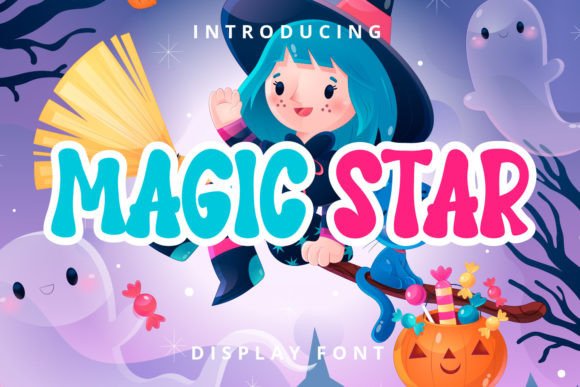
Magic Star is a display font designed to do exactly that. It’s a cute, friendly, and groovy typeface that embodies a sense of authenticity and joy. Its rounded forms and whimsical character make it a natural fit for designs targeting younger audiences or for any brand that wants to project a cheerful, approachable identity. The visual appeal lies in its ability to feel both playful and readable, avoiding the overly childish look that can sometimes limit a font's versatility. When paired with a bright, vibrant color palette, its personality truly shines, making it a powerful asset for creating memorable and engaging visuals.
Where Playful Typography Finds Its Home
The true value of a creative font like this lies in its practical application across a wide range of projects. For small business owners and entrepreneurs in the kids' market, this typeface can become a cornerstone of brand identity. Imagine it on the logo of a children's boutique, the packaging for organic snacks, or the signage for a play area. Its friendly demeanor instantly builds trust and appeals directly to both parents and children, creating a cohesive and inviting brand world.
Beyond product-based businesses, its uses extend deeply into digital and print marketing. Content creators and bloggers can leverage its unique style for eye-catching social media graphics, YouTube thumbnails, or blog post headers that stand out in a crowded feed. For event planners and crafters, it’s perfect for designing cheerful invitations, birthday party supplies, or custom merchandise like t-shirts and tote bags. In editorial design, it can add a pop of personality to magazine layouts or book covers aimed at young readers, ensuring the visual tone matches the content's spirit.
Balancing Whimsy with Professionalism
While a font’s charm is important, its effectiveness in professional contexts depends on more than just aesthetics. A key consideration is how a display font contributes to visual consistency and brand recognition. Using Magic Star consistently across all customer touchpoints—from your website’s call-to-action buttons to your email newsletters and product tags—reinforces your brand’s personality. This repetition helps your audience instantly recognize your style, which is fundamental to building strong brand recall.
However, readability should always guide your font choices. A playful display font is fantastic for headlines, logos, and short, impactful text blocks. It’s less suited for long paragraphs of body copy, where a clean sans serif or serif font would ensure comfort and clarity. The professional presentation of your project depends on this balance: using the fun, engaging font strategically for emphasis while relying on a more neutral companion font for detailed information. This approach maintains a polished look while still letting your brand’s personality shine through.
Making Smart Choices with Creative Typography
Integrating a font like Magic Star into your work effectively involves a few practical steps. First, always consider the overall goal of your project. Is it to evoke nostalgia, excitement, or simplicity? Matching the font’s vibe to your project’s objective is crucial. Next, experiment with font pairing. A groovy display typeface often works beautifully alongside a simple, geometric sans serif or a classic serif. This contrast creates visual hierarchy and ensures your design remains balanced and professional.
Before finalizing your design, test the font in context. Check its legibility at the sizes you’ll be using, especially on digital screens. Review the included font styles—does it come with multiple weights or alternates that offer more flexibility? Finally, for any commercial project, always verify the licensing terms of the font to ensure your use is compliant, whether you’re creating a logo for a client or selling merchandise. Treating typography as a core design asset, not just an afterthought, elevates the quality and effectiveness of your visual communication, helping you connect with your audience on a more authentic level.