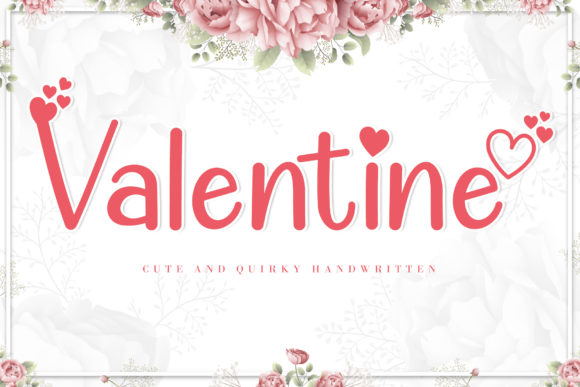
Valentine Cute: A Quirky Font for Romantic and Playful Designs
There's a particular magic in designs that feel genuinely personal—where every curve and swirl seems to whisper a little story. For those moments when your project needs more than just text, when it needs personality, a font like Valentine Cute steps in. This isn't your average typeface; it's a quirky display font adorned with lovely ornaments, built to inject a dose of romance and whimsy into your work. Whether you're crafting a logo for a boutique bakery, designing social media graphics for a florist, or creating wedding invitations, its charm is in its ability to make typography feel handcrafted and heartfelt.
More Than Just Pretty Letters
At first glance, you notice the playful loops and subtle decorative details that give Valentine Cute its signature look. It’s a display font, meaning its strength lies in headlines, logos, and short bursts of text where its personality can shine without compromising clarity. The true utility, however, is hidden in plain sight. Thanks to being PUA encoded, every single glyph and swash is fully accessible. This means you can easily add those elegant flourishes to a capital letter, tailoring the look to fit your exact vision without wrestling with complex software settings. For a small business owner or a content creator, this translates to design flexibility and a professional polish that might otherwise require hiring a specialist.
The font’s visual appeal is deeply tied to color. It practically begs to be paired with a vibrant pink, a soft rose, or a bright, cheerful hue. This makes it a natural partner for projects centered around love, celebration, beauty, or any brand that wants to convey approachability and joy. Think of a wedding planner’s website where the headers feel as elegant as the events they produce, or a social media graphic for a jewelry line that uses the font’s swashes to frame a product photo. It’s about creating a mood instantly.
Where This Creative Font Truly Comes Alive
Understanding where Valentine Cute fits best is key to using it effectively. Its ornamental style isn't suited for body copy in a lengthy report, but it excels in specific, high-impact applications.
- Branding & Logo Design: For businesses in the wedding industry, gift shops, bakeries, or beauty brands, this typeface can form the cornerstone of a memorable logo. Its distinctive character helps with brand recognition from the very first glance.
- Packaging & Merchandise: Imagine product labels for artisan chocolates, candle sleeves, or tote bags for a craft fair. The font adds a layer of perceived value and care, turning a simple item into something special.
- Digital & Print Invitations: This is its home turf. From digital e-vites for a Galentine's Day brunch to printed save-the-dates, it sets a romantic and festive tone before the guest even reads the details.
- Social Media Graphics & Marketing Assets: Creating eye-catching Instagram posts, Facebook banners, or promotional flyers becomes simpler. Use it for a call-to-action phrase or a headline to stop the scroll and convey your message with visual flair.
- Editorial Layouts & Blogs: A blog about lifestyle, relationships, or DIY crafts can use Valentine Cute for section headers or pull quotes, breaking up text and adding visual interest that keeps readers engaged.
The goal is to use it strategically. It works best when it has space to breathe, often as a single line of text against a clean background. This prevents the decorative elements from becoming overwhelming and maintains a professional presentation.
Practical Tips for Pairing and Application
Choosing a font is just the first step; integrating it well is what makes the difference. A common mistake is pairing a highly decorative display font like Valentine Cute with another ornate typeface. The result is visual noise.
The most reliable approach is to pair it with a simple, clean serif font or sans serif font. For example, use Valentine Cute for your main headline and pair it with a font like Lato or Open Sans for subheadings and body text. This creates a clear hierarchy—the decorative font draws attention, while the simpler font ensures readability for longer passages. Always test your pairings. View them on different screens and in print if possible, checking that the sizes and weights feel balanced.
Consider the context of your project. A modern typography approach for a tech startup’s Valentine’s Day promo might use Valentine Cute sparingly, just for the word “Love” in a slogan, combined with a bold sans serif. In contrast, a vintage-themed bakery could embrace its full ornamental style. Reviewing all the included glyphs and swashes is time well spent; you might discover a perfect alternate character that elevates your entire design.
Integrating into Your Brand Identity and Design Assets
For entrepreneurs and marketers building a brand identity, consistency is everything. If Valentine Cute becomes part of your brand’s voice, document its usage. Specify which styles you’ll use (regular, swashes, etc.), in what sizes, and for which applications. This ensures that whether you’re designing a website, a brochure, or a social media post, the visual language remains cohesive.
Think of it as one piece of your design assets toolkit. It’s a premium font that, when used correctly, can make your marketing materials look more polished and intentional. A small business owner creating their own materials can achieve a level of visual consistency that rivals larger competitors simply by applying the font thoughtfully across all customer touchpoints.
Finally, always be mindful of licensing. Since Valentine Cute is a commercial font, ensure your license covers your intended use—whether that’s for a single client project, for merchandise you sell, or for your own business’s internal and external materials. This is a crucial step in professional graphic design and protects you down the line.
Ultimately, a font like Valentine Cute is a tool for connection. It’s for the designer who understands that typography isn’t just about letters on a page; it’s about evoking a feeling. Used with intention, it helps your message resonate, turning a simple design into something that feels genuinely special and uniquely yours.