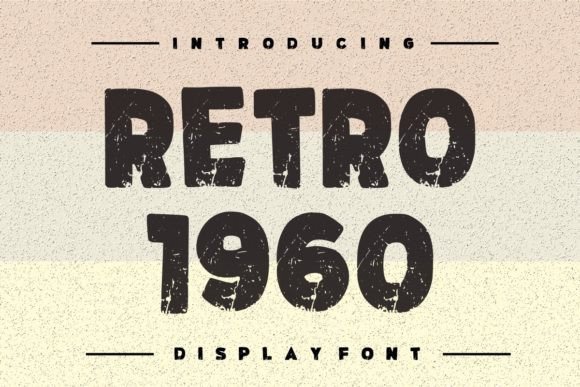
Retro 1960: The Vintage Typeface That Feels Instantly Familiar
There's something magnetic about mid-century design. Maybe it's the confident curves, the bold simplicity, or that unmistakable feeling of nostalgia wrapped in sophistication. If you've ever scrolled through vintage advertisements or admired old movie posters and thought, "I want that energy in my work," then Retro 1960 deserves a spot on your design radar. This vintage, classic display font channels the spirit of an era when typography had personality, and every letterform told a story.
What Makes Retro 1960 Stand Out
Retro 1960 isn't trying to be everything to everyone, and that's exactly what makes it work so well. As a display typeface, it leans into its strengths: bold character shapes, retro flair, and a visual weight that commands attention without shouting. The letterforms carry that mid-century optimism—think clean lines meeting subtle ornamental details, creating a look that feels both timeless and intentional.
What sets this particular typeface apart from other retro-inspired fonts is its balance. Some vintage fonts go too far into novelty territory, becoming difficult to read or feeling like a costume rather than a design tool. Retro 1960 finds the sweet spot between nostalgic charm and practical usability. The characters are distinct enough to be memorable, yet structured enough to work across multiple applications without losing their appeal.
Where This Typeface Truly Shines
Let's talk about real projects where Retro 1960 earns its place in your font library. If you're building a brand identity for a boutique coffee shop, a vinyl record store, a craft cocktail bar, or any business that wants to evoke warmth and authenticity, this typeface does heavy lifting. It immediately communicates a certain vibe—curated, intentional, and full of character—without requiring a lengthy brand explanation.
For logo design, Retro 1960 offers that rare quality of being distinctive enough to anchor a visual identity while remaining versatile enough to adapt across different contexts. A logo set in this typeface looks just as compelling on a storefront sign as it does on a business card or an Instagram profile picture.
Packaging designers will find it particularly useful for products that need to stand out on crowded shelves. Whether you're designing labels for artisanal goods, craft beverages, or specialty food items, the vintage aesthetic of this font creates instant shelf appeal. Consumers associate retro typography with quality and craftsmanship, which can subtly influence purchasing decisions.
Social media graphics benefit enormously from display fonts with strong personalities. In a feed where everything competes for attention, Retro 1960 gives your posts a visual anchor that stops the scroll. It works beautifully for quote graphics, announcement posts, sale promotions, and branded content templates that need consistency across platforms.
Pairing Retro 1960 With Other Fonts
One of the most practical considerations when working with any display font is finding the right companion. Retro 1960 handles headlines and hero text brilliantly, but you'll want something cleaner for body copy. A simple sans serif font with generous spacing pairs well, allowing the display typeface to take center stage while supporting text remains easy to read at smaller sizes.
For projects that need a softer touch alongside the retro vibe, a handwritten font or script font can complement the mid-century aesthetic without competing for attention. Think of it as building a typographic team where each member has a specific role. Retro 1960 opens the conversation, a clean sans serif delivers the details, and an occasional script accent adds warmth.
The key to successful font pairing is contrast without conflict. Since Retro 1960 has a strong visual personality, avoid pairing it with other fonts that are equally bold or decorative. Let it be the star of your typographic hierarchy, and choose supporting fonts that create breathing room.
Practical Tips for Getting the Most From This Font
Before committing to any typeface for a project, test it in context. Set your actual headlines, not just sample text. Check how the letters interact at different sizes. A font that looks stunning at 72 points might behave differently at 48, and understanding those nuances early saves revision time later.
Pay attention to spacing. Display fonts like Retro 1960 often benefit from slightly adjusted letter-spacing depending on the application. Tighter tracking can create a punchy, impactful look for posters and merchandise, while slightly looser spacing might improve readability for longer headlines on websites or editorial layouts.
Color matters too. Retro 1960 pairs beautifully with the palettes associated with its era—mustard yellows, burnt oranges, teal greens, and warm creams. But don't feel limited to vintage color schemes. Setting this typeface against modern, high-contrast backgrounds creates an interesting tension that feels fresh rather than dated.
Consider the full range of styles and weights included with the font family. Many premium font packages offer multiple variations—regular, bold, condensed, or alternate character sets—that expand your creative options significantly. Reviewing what's included before you start designing helps you make informed decisions about how to deploy the typeface across different touchpoints.
Beyond Aesthetics: The Business Case for Thoughtful Typography
Choosing a typeface like Retro 1960 isn't just about looking good—it's about building brand recognition and creating visual consistency across every customer touchpoint. When your blog posts, marketing assets, digital products, and printed materials share a cohesive typographic language, your audience starts recognizing your brand before they even read a word.
This consistency builds trust. Whether someone encounters your brand through a social media graphic, a printed invitation, or a greeting card, the typography creates a thread that ties everything together. Retro 1960, with its distinctive character, makes that thread particularly memorable.
For small business owners and creative entrepreneurs, investing in a quality commercial font also means you're covered for licensing. Using properly licensed typography protects your business and ensures your designs can be used across commercial applications without legal concerns. Always review the licensing terms before purchasing to confirm the font covers your intended uses, whether that's client work, merchandise, or digital distribution.
Making It Work Across Mediums
The versatility of Retro 1960 extends across both digital and print environments. On screen, it brings personality to website headers, email templates, and digital product covers. In print, it elevates posters, planners, photo albums, and decorations with an authentic vintage touch.
For blog owners looking to differentiate their visual content, using a distinctive display font for featured images and section headers creates a recognizable style that readers associate with your content. It's a small design decision that compounds over time, contributing to a stronger, more professional presentation.
Retro 1960 is ultimately a tool for anyone who wants their designs to carry a sense of history and intentionality. It doesn't just look vintage—it feels purposeful, like every letter was crafted with care. And in a landscape crowded with generic sans serifs and overused defaults, that kind of typographic personality is worth its weight in gold.