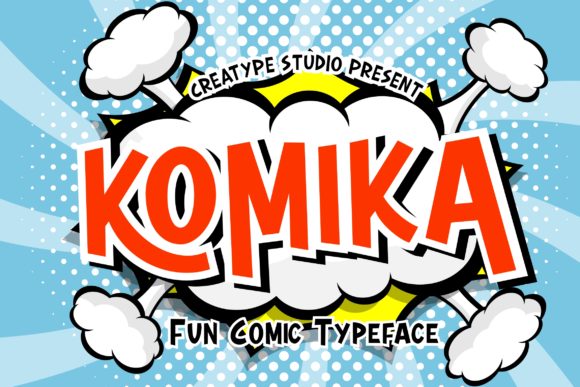
Komika: The Display Font That Injects Instant Personality
There is a specific moment in the design process where you know a project is about to fall flat. You have the layout ready, the images are high-resolution, and the copy is snappy, but the typography feels sterile. It’s clean, sure, but it lacks the "pop" required to stop a thumb from scrolling or to catch an eye from across the aisle. This is the exact scenario where a typeface needs to do more than just present words; it needs to perform. If you are tired of safe, generic sans-serifs and are looking for something that brings character to the party, you need to look at display fonts that aren't afraid to be loud. Enter Komika, a typeface designed not just to be read, but to be experienced.
Breaking Down the Visual Appeal
So, what exactly makes Komika stand out in a sea of thousands of typefaces? It’s the balance between being "eye-catching" and remaining legible. Many display fonts sacrifice readability for the sake of style, becoming almost impossible to decipher at smaller sizes. Komika, however, manages to maintain a distinct personality while keeping letterforms clear enough to be functional. It has a unique flair that suggests energy and creativity, making it a perfect candidate for projects that require a touch of modern typography without falling into the trap of looking too retro or too futuristic.
The visual weight of the font commands attention. It’s the kind of typeface that works beautifully for headlines, hero sections on websites, and massive text on posters. When you are designing a brand identity, the typography sets the emotional tone. A standard serif font might say "traditional" and a standard sans-serif might say "corporate," but a font like Komika speaks the language of creativity, innovation, and approachability. It’s a premium font choice that feels bespoke, helping to elevate a design from amateur to professional simply by swapping out the typeface.
Unlocking Creative Potential with PUA Encoding
One of the most frustrating aspects of downloading new design assets is dealing with inaccessible characters. You see a preview image showing beautiful swashes and alternates, but when you install the font, you can’t find them on your keyboard. This is where Komika shines because it is fully PUA (Private Use Areas) encoded. For the non-designers reading this, this is a massive technical advantage. It means that every single glyph, alternate, and swash included with the font is easily accessible.
You don’t need to be a typography wizard or have advanced software skills to use the fancy extras. Whether you are using a professional suite like Adobe Illustrator or a user-friendly platform like Canva, you can access the full character set. This accessibility is crucial for small business owners and content creators who want to add that extra flair to their designs without getting bogged down in technical code. It allows you to create custom logotypes or monograms that feel truly unique because you have the freedom to mix and match standard characters with stylistic alternates seamlessly.
Real-World Applications for Modern Brands
Let’s move past the theory and look at how Komika fits into your daily workflow. The versatility of a strong display font lies in its adaptability across different mediums. Here is how you can practically apply this typeface to various projects:
- Logo Design and Branding: Your logo is the face of your business. Using Komika here can help a brand feel more human and less institutional. It works exceptionally well for creative agencies, boutique shops, lifestyle brands, or personal brands looking to establish a strong visual presence.
- Packaging Design: In a crowded market, packaging needs to scream "pick me up." Komika is ideal for product names on labels, whether it’s a craft beer bottle, a line of organic snacks, or artisanal cosmetics. It grabs attention instantly on the shelf.
- Social Media Graphics: On platforms like Instagram and TikTok, visual hierarchy is everything. Using Komika for your headline text ensures that your message gets across even when users are scrolling quickly. It creates bold, shareable quote graphics and announcements.
- Merchandise and Apparel: T-shirts, tote bags, and mugs rely heavily on typography that looks good printed. The unique shapes of the letters in Komika make for excellent standalone graphics on merchandise, adding a cool factor to your apparel line.
- Website Headers and Blogs: While body text should remain standard for readability, your H1 and H2 headers can benefit from the personality of Komika. It sets the mood immediately upon landing on a page, guiding the user’s eye down the funnel.
- Print Materials: Think flyers, event posters, and invitations. For a birthday party, a music festival, or a community event, this font brings the energy. It replaces the need for complex illustrations by turning the text itself into a piece of art.
Strategic Typography: Matching Fonts to Goals
Choosing a font isn't just about what looks "cool" in the moment; it’s about strategy. As a designer or business owner, you have to ask yourself what emotion you want to evoke. If your goal is to build trust and authority, a rigid corporate typeface might be the way. However, if your goal is to foster community, excitement, or creativity, you need a font that feels alive.
Komika helps improve brand recognition because it is distinct. Generic fonts are easily forgotten, but a unique display typeface becomes part of your brand’s visual signature. When customers see that specific style of lettering, they should immediately associate it with your brand. Furthermore, it aids in visual consistency. By establishing Komika as your primary display font across all headers and marketing assets, you create a cohesive look that ties your Instagram posts to your website and your business cards.
However, a word of caution on readability: display fonts are best used for headlines and short bursts of text. Avoid using Komika for long paragraphs of body copy, as the decorative nature can tire the eyes over large blocks of text. Instead, pair it with a clean, neutral sans-serif or serif font for the body text. This contrast—often called a font pairing—creates a visual hierarchy that guides the reader naturally from the headline to the details.
Final Thoughts on Creative Assets
Finding the right creative assets can be a time-consuming hunt. You want something that looks professional, functions well across different platforms, and offers commercial flexibility. Komika checks these boxes by offering a visually striking design paired with the technical ease of PUA encoding. Whether you are revamping a website, launching a new product line, or simply creating your next social media post, having a reliable and dynamic display font in your toolkit is essential. It’s not just about making things look pretty; it’s about communicating your message with the right energy and style to connect with your audience effectively.