Ghostween: The Spooky Display Font That Brings Your Scary Party Ideas to Life
You know that moment when you're planning a Halloween bash, a haunted house event, or a themed product launch, and everything looks... fine? The decorations are up, the playlist is curated, the menu is set—but something's missing. The visual punch. The cohesive, spine-tingling aesthetic that makes guests stop scrolling, stop walking, and pay attention. That's where typography sneaks in and steals the show, and it's exactly why Ghostween deserves a spot in your creative toolkit.
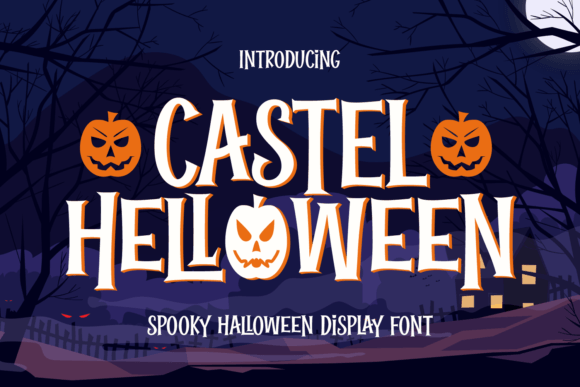
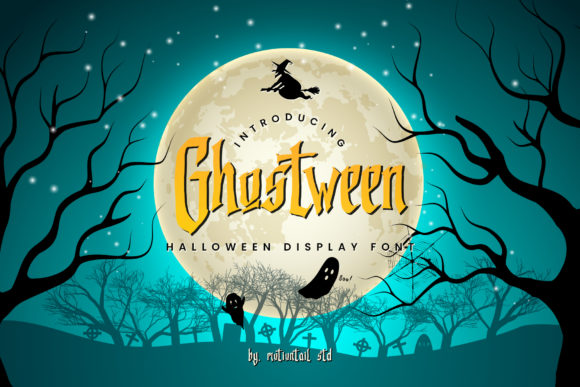
Ghostween is an incredibly unique and spooky looking display font. Add it to each of your scary party ideas and notice how they come alive. It's not just another novelty typeface that collects digital dust after October 31st. This is a thoughtfully crafted premium font with enough personality to anchor an entire brand identity, yet enough versatility to show up across invitations, social media graphics, merchandise, and beyond. If you've been searching for a creative font that actually delivers on the promise of "spooky but professional," keep reading.
What Makes This Typeface So Visually Compelling
At first glance, Ghostween grabs you with its jagged, irregular letterforms—the kind that evoke hand-carved pumpkins, flickering candlelight, and old horror movie title cards. But look closer, and you'll notice something most novelty fonts lack: intentional design structure. The serifs are exaggerated but consistent. The spacing accounts for readability even at larger display sizes. The weight distribution feels deliberate rather than chaotic.
This matters more than you might think. A lot of Halloween-themed fonts lean so hard into "scary" that they sacrifice legibility. You end up with something that looks cool in a thumbnail but falls apart on a printed poster or a website header. Ghostween threads that needle between atmospheric and functional, which is exactly what separates a useful design asset from a gimmick.
The character set also deserves attention. Beyond the standard uppercase and lowercase letters, you'll typically find numerals, punctuation, and special characters that maintain the font's personality across every keystroke. That consistency is what lets you build out full campaigns without running into awkward moments where a number or symbol looks like it wandered in from a completely different typeface.
Where Ghostween Actually Works in Real Projects
Let's get practical. You're probably wondering where a spooky display font fits into your workflow beyond the obvious Halloween flyer. Here's where designers, small business owners, and content creators are putting it to work:
- Logo design for haunted attractions, escape rooms, horror podcasts, themed restaurants, and seasonal product lines. A single word set in Ghostween can communicate your entire brand personality before anyone reads a tagline.
- Packaging design for candy brands, craft breweries running seasonal releases, candle companies with "autumn harvest" collections, or any product that wants to signal a moody, mysterious vibe without crossing into cartoon territory.
- Social media graphics where stop-scrolling power is everything. Instagram stories, Pinterest pins, TikTok overlays, and Facebook event covers all benefit from a typeface that immediately sets a tone. Pair it with dark backgrounds, muted oranges, and deep purples for maximum impact.
- Invitations and event materials—think wedding save-the-dates for couples who met at a horror convention, birthday party invites for October babies, or corporate Halloween event announcements that need to feel polished, not cheesy.
- Merchandise and print materials including t-shirts, tote bags, stickers, and posters. Ghostween's bold letterforms translate well to screen printing and large-format output because the shapes hold up at scale.
- Website headers and blog graphics for writers covering horror fiction, true crime, paranormal content, or seasonal lifestyle topics. A striking display font used sparingly in headlines can define a site's visual identity without overwhelming the reading experience.
- Editorial layouts and digital products like magazine covers, e-book titles, zine headers, and downloadable printables. If you're selling digital assets on Etsy or Creative Market, typography that stands out in crowded thumbnails is a genuine competitive advantage.
Pairing Ghostween With Other Fonts for Professional Results
Here's where a lot of people stumble with display fonts: they use them everywhere. Resist that urge. Ghostween is a headline font, a hero text font, a "first thing your eye lands on" font. It is not a body copy font, and that's perfectly fine—no single typeface does everything well.
The smartest approach is to pair it with something clean and understated. A simple sans serif font for body text creates contrast that actually makes the display font more striking. Think of it like a spotlight: the darkness around it is what makes it shine. A modern sans serif with generous spacing—something like a geometric or humanist style—gives readers' eyes a place to rest after the headline does its job.
Alternatively, if your project leans more editorial or vintage, a classic serif font can complement Ghostween's more traditional letterform structures. The key is testing your pairings in context. Don't just set them side by side in a design tool and call it done. Mock up an actual invitation. Build a quick social media post. Print a test page. See how the fonts interact at the sizes and in the layouts you'll actually use.
Pay special attention to weight contrast. If Ghostween is carrying heavy visual weight (which it will, given its detailed character shapes), your supporting font should be noticeably lighter—not just slightly thinner, but genuinely different in density. This creates a visual hierarchy that guides the reader's attention exactly where you want it.
Readability Isn't Optional—Even When You're Going for Spooky
This deserves its own conversation because it's the most common mistake with themed typography. You want your audience to actually read the words you've set in Ghostween. If someone has to squint, decode, or guess at letters, the font is working against you regardless of how cool it looks.
A few practical checks: Set your headline text and walk away from the screen for ten seconds. Come back and read it instantly. If you stumble on any word, that's a problem. Print it out at the size you plan to use. Hand it to someone unfamiliar with the project and ask them to read it aloud. These simple tests catch issues that zooming in on a 27-inch monitor will miss.
Also consider your color choices. Ghostween's detailed shapes need breathing room, which means high-contrast color combinations work best. Light text on dark backgrounds is the natural pairing for a spooky aesthetic, but make sure the contrast ratio actually supports legibility—not just mood. Accessibility and atmosphere aren't mutually exclusive, but they do require conscious effort.
Licensing and the Business Side of Creative Fonts
If you're using Ghostween for personal projects—a Halloween party invitation for your family, a school event poster, a hobby blog—you likely have straightforward options. But the moment money changes hands, licensing matters. Selling merchandise with the font? Creating client work? Building templates for resale? You need to verify that your license covers commercial use at the scope you're planning.
Most premium font licenses distinguish between desktop use, web use, and app or embedding use. Some charge based on the number of users or the scale of distribution. This isn't bureaucracy for its own sake—it protects the designer who spent hundreds of hours crafting each glyph so that you could have something genuinely special to work with. Read the license terms before you launch, not after. It's a ten-minute task that prevents real headaches later.
Ghostween as a commercial font represents a modest investment compared to the value it delivers across an entire campaign or brand system. One typeface used consistently across your logo, packaging, social media, and print materials creates the kind of visual consistency that builds brand recognition over time. That's not just good design—it's smart business.
Making the Most of a Display Font in Your Brand Identity
The designers and creators who get the most mileage out of a typeface like Ghostween are the ones who treat it as a strategic asset rather than a decorative afterthought. They define when and where it appears. They create rules: headlines only, event materials only, seasonal campaigns only. They pair it with complementary fonts and lock in those combinations so every piece of content feels connected.
That kind of discipline is what transforms a cool-looking font into a recognizable brand element. When your audience sees those jagged, atmospheric letterforms, they should immediately connect them to your work—whether that's a podcast thumbnail, a product label, or an Instagram reel. Consistency isn't boring. It's the mechanism through which scattered impressions become lasting recognition.
So whether you're designing a haunted attraction's entire visual identity, launching a limited-edition product line with a dark aesthetic, or simply want your Halloween content to look like it was made by someone who takes their craft seriously, Ghostween gives you a foundation worth building on. Test it, pair it thoughtfully, use it with intention, and watch how a single typeface can unify an entire creative vision.