Detroit: A Typeface That Commands Attention
There's a moment in every design project where you need to make a statement. Not a quiet suggestion, but a bold declaration that cuts through the noise. That's where Detroit enters the picture. This isn't just another display font—it's a visual anchor, a typeface with the weight and presence of a vintage industrial sign or a classic movie poster. If you've been searching for something that brings instant authority and timeless character to your work, you've likely just found your new secret weapon.
The Visual Power of a Display Font
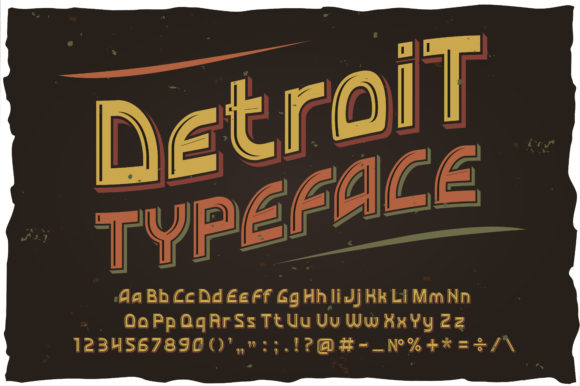
Detroit is a premium display font, meaning it's crafted for impact at larger sizes. Think headlines, logos, and hero sections where you need text to be seen and felt immediately. Its design draws from vintage typographic traditions—strong serifs, balanced proportions, and a touch of mid-century elegance. This gives it a unique personality: it feels both classic and assertive, like a well-maintained vintage car that still turns heads on the street.
What makes it visually appealing isn't just its boldness, but its versatility within that boldness. The letterforms are carefully designed with varying stroke weights and subtle details that prevent it from feeling heavy or monotonous. It has personality without sacrificing legibility, which is a crucial balance for any typeface intended for professional use. When you set a headline in Detroit, it doesn't just sit there—it engages the viewer, conveying a sense of reliability, craftsmanship, and importance.
From Brand Identity to Social Media Graphics
Let's talk practical applications. Where does a font like Detroit truly shine? Its strong, vintage-inspired character makes it exceptionally suited for projects where you need to build immediate recognition and trust.
- Branding & Logo Design: A logo sets the entire tone for a business. Detroit's imposing stature makes it ideal for brands that want to project strength, heritage, or a no-nonsense attitude. Imagine it for a craft brewery, a boutique barbershop, a custom furniture maker, or a tech startup that values substance over fleeting trends. It creates a brand identity that feels established from day one.
- Packaging Design: On a shelf crowded with competitors, packaging needs to grab attention in seconds. Use Detroit for product names or key claims on boxes, labels, and tags. Its vintage flair can evoke a sense of quality and tradition, perfect for artisanal goods, gourmet foods, or premium spirits.
- Digital Presence: In the realm of web design and social media graphics, a strong headline font is essential for stopping the scroll. Detroit works beautifully for website hero banners, blog post titles, YouTube thumbnails, and Instagram story quotes. It provides a consistent, recognizable look that strengthens your visual communication across platforms.
- Print & Editorial Layouts: From posters and event flyers to magazine covers and book titles, this typeface commands the page. It brings a level of professional presentation that elevates editorial design, making the content feel more curated and valuable.
- Merchandise & Invitations: For t-shirts, hats, or tote bags, a font with character is key. Detroit's aesthetic translates well to physical merchandise, giving it a worn-in, authentic feel. Similarly, it can add a dramatic, stylish touch to event invitations or greeting cards.
Pairing and Practicality: Making Detroit Work for You
Choosing the right font is only half the battle; knowing how to use it effectively is what separates good design from great design. Here’s some practical advice for integrating a display font like Detroit into your projects.
Font Pairing is Everything. Because Detroit is so distinctive, it needs the right partner. Avoid pairing it with another strong, decorative font—that will create visual conflict. Instead, balance it with a clean, simple sans serif font or a highly readable serif font for body text. Think of Detroit as the lead singer and the other font as the steady rhythm section. For example, pair it with a modern geometric sans serif for a tech-forward feel, or with a classic serif for a more traditional, editorial look.
Readability Considerations. As a display font, Detroit is not intended for long paragraphs of body copy. Its strength is in headlines, subheads, and short, impactful text blocks. Always prioritize readability for your main content. Use Detroit to draw the eye, and then let a more neutral, optimized font deliver the detailed message.
Review the Full Package. A quality premium font often comes with more than just the basic letters. Check if the Detroit font package includes alternate characters, stylistic sets, ligatures, or multiple weights (like bold, regular, and light). These extras can provide more creative flexibility, allowing you to fine-tune the look for different applications within the same project, ensuring visual consistency.
Understand the Licensing. This is a critical, often overlooked step. If you're using the font for commercial projects—for a client's logo, for products you sell, or for business marketing—you need to ensure you have the correct commercial font license. Read the license agreement carefully. Most licenses cover specific uses, and understanding this upfront protects you legally and ensures you're using the design assets ethically.
Building a Cohesive Visual Story
Ultimately, typography is a tool for storytelling. The fonts you choose communicate as much as the words they form. Selecting a typeface like Detroit is a strategic decision. It's for the designer who wants to inject a project with confidence and a clear point of view. It's for the small business owner crafting a brand that feels solid and trustworthy. It's for the content creator seeking to establish a signature style that audiences recognize instantly.
When you match your typography to your project's goals, you create harmony. A vintage-styled font like Detroit can help bridge the gap between nostalgia and modernity, making it surprisingly adaptable. It can make a new brand feel instantly classic, or give a modern design a layer of depth and history. This alignment between font and function is what builds brand recognition and deepens audience engagement. People may not consciously analyze your font choice, but they will feel its effect.
So, if your next project calls for a voice that is bold, confident, and unmistakably present, consider giving Detroit a place in your toolkit. Experiment with it in your mockups. Test a few font pairing options. See how its character transforms a simple headline into a focal point. In the crowded landscape of modern typography, finding a typeface with genuine personality and practical strength is a genuine advantage. Let your designs speak with clarity and conviction.