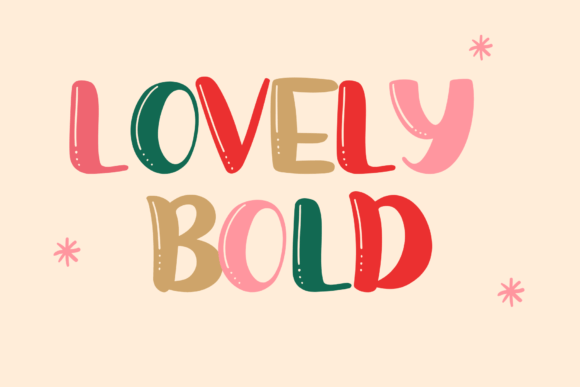
Adding Handwritten Charm to Modern Branding with Lovely Bold
In a marketplace saturated with clean, geometric sans-serifs and predictable serif options, there is a distinct power in typography that feels human. If you are looking to inject warmth, personality, and a touch of luxury into your visual identity, a premium font that mimics authentic handwriting can be a game-changer. Lovely Bold is one such typeface that bridges the gap between casual elegance and professional readability. It is designed to capture the fluidity of a hand-lettered script while maintaining the weight and presence necessary for bold visual statements. For designers, entrepreneurs, and content creators, this typeface offers a versatile solution for projects that demand a personal touch without sacrificing sophistication.
The Visual Appeal of a Handwritten Display Font
Typography is rarely just about legibility; it is about evoking an emotion. When you select a handwritten font like Lovely Bold, you are immediately signaling to your audience that there is a human element behind the brand. Unlike rigid, standardized typefaces, this script font features organic curves and natural spacing that mimic the flow of ink on paper. This aesthetic is particularly effective for brands aiming to appear approachable yet high-end.
The "Bold" aspect of this display font is crucial. Many script fonts suffer from being too thin or delicate, making them illegible at smaller sizes or on busy backgrounds. Lovely Bold, however, possesses a visual weight that commands attention. It strikes a balance that allows it to function as a headline font for editorial design or as a focal point on product packaging. Whether you are designing a rustic wedding invite or a modern beauty logo, the visual character of this typeface adapts to the context, offering a blend of playfulness and class.
Practical Applications for Branding and Marketing
Finding a single font that works across multiple platforms is a common struggle in brand identity development. However, a versatile creative font like Lovely Bold can streamline your design process. Its utility extends far beyond simple text; it becomes a core component of your visual storytelling.
Consider how this typeface can be applied across various project types:
- Logo Design: A logo needs to be memorable. The fluid strokes of a script font can make a brand name feel distinct and timeless, setting you apart from competitors using standard system fonts.
- Social Media Graphics: On platforms like Instagram or Pinterest, visual hierarchy is everything. Using Lovely Bold for quotes, announcements, or headers ensures your content stops the scroll. It adds a personal, "influencer" aesthetic to digital content.
- Packaging Design: For physical products, packaging is the first point of contact. Whether it’s a boutique candle, artisan coffee, or cosmetics, a handwritten font suggests care and craftsmanship. It tells the customer that the product inside was made with attention to detail.
- Web Design and Blogs: While body text requires high legibility (often best served by a sans serif font), headers and pull quotes benefit from visual interest. Using Lovely Bold for H1 tags or featured images can soften the digital feel of a website, making it more inviting.
Furthermore, for those in the events industry, this font is invaluable. Invitation design, from weddings to corporate galas, relies heavily on typography to set the tone. A font that looks like elegant handwriting instantly elevates the perceived value of the event.
Enhancing Visual Consistency and Engagement
One of the most overlooked aspects of modern typography is consistency. When you mix too many unrelated fonts, your branding looks disjointed. By adopting a strong display typeface like Lovely Bold as part of your core toolkit, you create a cohesive thread through all your communications.
This consistency aids in brand recognition. When your audience sees that distinct, elegant script on a Facebook ad, a product label, and a thank-you card, they instantly associate it with your business. This visual memory is crucial for building trust.
Moreover, the right font choice directly impacts audience engagement. Text that feels cold or corporate can create distance. In contrast, a font that mimics human touch—like Lovely Bold—creates a psychological connection. It makes digital communications feel like personal notes. This is particularly effective for marketing assets such as email headers or lead magnets, where you want the user to feel valued rather than sold to.
Mastering Font Pairings and Readability
While a display font like Lovely Bold is visually striking, it is rarely meant to stand alone for long-form content. The key to professional typography is pairing. A bold, decorative script should generally be used for headlines, logos, and short accents, while a cleaner font handles the heavy lifting of body text.
To achieve a balanced layout, consider pairing this handwritten font with a clean sans serif font. The geometric simplicity of a sans serif (think Montserrat, Helvetica, or Open Sans) provides a neutral backdrop that allows the personality of the script to shine without causing visual clutter. Alternatively, pairing it with a classic serif font can create a vintage or academic aesthetic, perfect for book covers or editorial layouts.
When working with any creative font, readability must remain a priority. Here are a few practical tips for testing your typography:
- Check the Size: Ensure the font remains legible at the size it will be displayed. A font that looks great on a desktop screen might become unreadable on a mobile device.
- Test the Background: Overlay your text on your intended background colors or images. Ensure there is enough contrast.
- Review the Spacing: Handwritten fonts often require manual adjustment to letter spacing (tracking) and line height (leading) to ensure the ascenders and descenders don't collide.
Before finalizing a project, it is also wise to review the specific styles included with the font family. Many premium fonts come with alternates, ligatures, or stylistic sets that can solve specific kerning issues or add unique flair to specific letters.
Licensing and Commercial Use
For small business owners and entrepreneurs, the legal side of design assets is just as important as the aesthetic side. When investing in a commercial font, it is essential to understand the licensing terms. Most premium font licenses are based on the number of users (seats) or the specific types of usage (desktop, web, app, or server).
Using a font like Lovely Bold for a client’s logo or on merchandise intended for sale typically requires a commercial license. Free fonts found on the internet often come with restrictions that can lead to legal headaches down the road. By purchasing a legitimate license for a quality typeface, you protect your business and ensure that your brand identity is built on solid ground. Always read the End User License Agreement (EULA) to understand what is permitted regarding print-on-demand sites, digital templates, and software embedding.
Ultimately, choosing a font is an investment in your project's success. A typeface like Lovely Bold offers the flexibility to span across print and digital mediums, ensuring your message is not only read but felt. Whether you are refreshing a website, launching a new product line, or designing a personal portfolio, the right typography is the silent ambassador of your brand.